A Kruger safari has a way of slowing you down. You start to notice small things: the smell of rain on warm tar, the call of a fish eagle, the dust hanging in the late-afternoon light. With that calm comes a practical truth too: you enjoy the bush more when you’ve sorted the health and safety basics before you arrive.
Kruger National Park sits in a malaria-risk area, and the wider Lowveld can bring summer storms, flooded roads, and long distances between services. None of this needs to feel intimidating. A few sensible choices, made early, can keep your trip easy and relaxed.
Malaria in Kruger: what the risk really looks like
Malaria is present in and around Kruger, and health authorities advise visitors to treat the risk as year-round, even though cases tend to rise in the warmer, wetter months. Visitor incidence is often described as low, yet it only takes one infected mosquito to change your holiday plans.
If you’re staying in the Hazyview area and heading into the park for early morning drives or sunset activities, you’re naturally outdoors when mosquitoes are most active. That timing is the key reason malaria prevention matters, even on short trips.
Seasonality: why summer gets more attention
The local malaria season is often described as running from roughly September to May, with higher risk during the rainy summer period (often November to April). Rain creates more breeding sites, and warm evenings keep mosquitoes active.
Dry winter months generally have fewer mosquitoes, but “lower” does not mean “none”. If you want a simple rule that works in every month, assume the risk is present whenever you are outdoors from dusk to dawn.
A quick month-by-month guide (with a simple plan)
| Time of year | Typical conditions | Practical malaria approach |
|---|---|---|
| Nov to Apr | Hot, humid, summer storms, more mosquitoes | Speak to a travel clinic about prophylaxis, and be strict with repellents and covered clothing in the evenings |
| May to Oct | Cooler, drier, fewer mosquitoes | Keep bite prevention habits, and still discuss prophylaxis since transmission can occur year-round |
Bite prevention that feels easy, not fussy
Malaria prevention works best as a layered plan. Tablets help, but they are not a forcefield, and mosquito habits still matter.
Start with the basics and keep them consistent after sunset, at dinner, and when you’re sitting outside listening to night sounds.
A good routine is easiest when you pack for it:
- Light long sleeves and long trousers
- Closed shoes with socks at night
- Repellent (DEET 20% or higher, or picaridin)
- After-bite cream and antihistamines
If you are travelling with children, or anyone with sensitive skin, test repellents at home first so you are not guessing in the bush.
The “dusk to dawn” habit that protects you most
Mosquitoes that transmit malaria typically bite in the evening and at night. That means your riskiest moments can be surprisingly ordinary: walking from the car to your room, sitting outside after supper, or waking early for a gate opening.
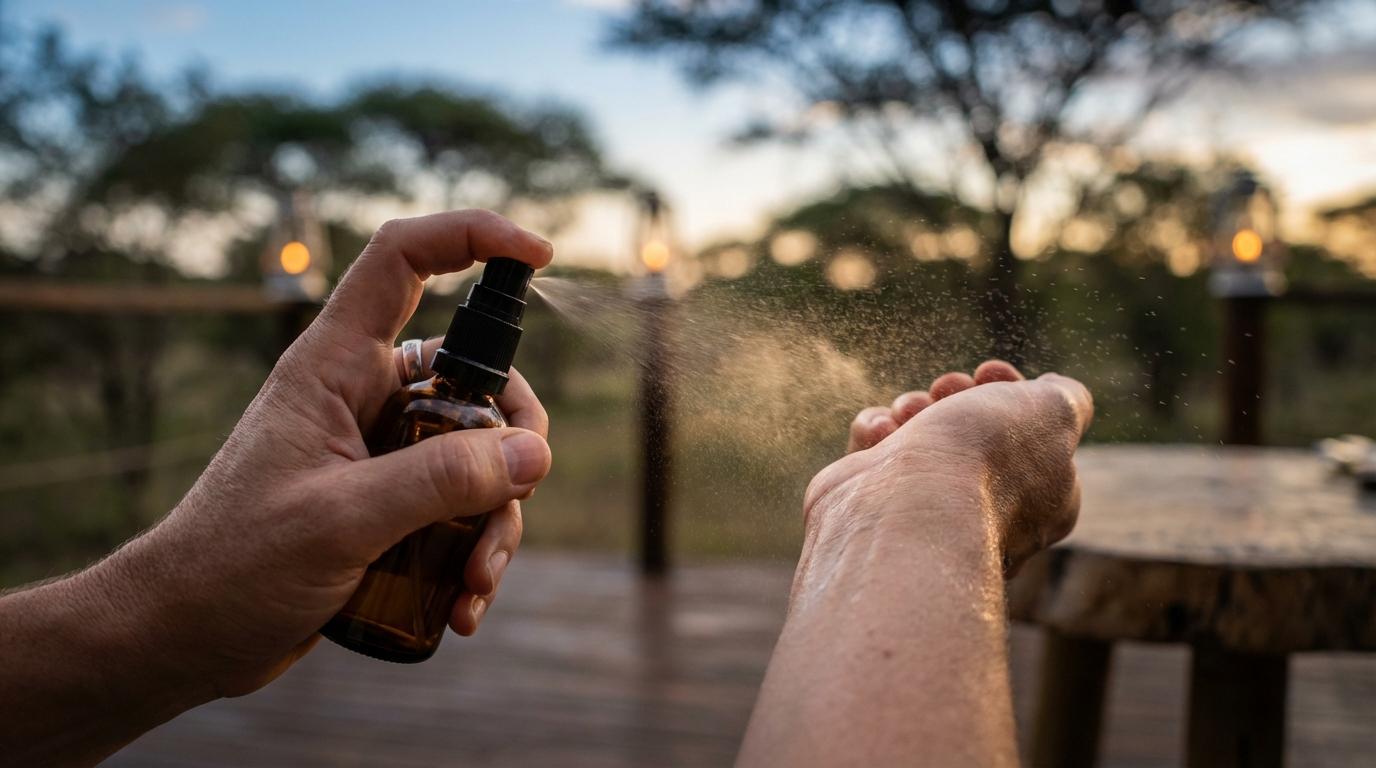
If you keep one habit, keep this one: apply repellent before sunset and reapply as directed, even if you are only outside for a short time.
Malaria tablets (prophylaxis): what to ask a travel clinic
Most travellers decide on malaria tablets with a clinician or travel medicine nurse, based on itinerary, age, pregnancy status, existing conditions, and previous side effects. Common options used for Kruger-area risk include atovaquone-proguanil, doxycycline, and mefloquine, with tafenoquine as a newer option for some travellers.
Timing matters. Some tablets must be started one to two days before entering the risk area, while others should begin earlier. Some need to continue for a week after leaving, while others continue for four weeks. That “after you leave” part is easy to forget when you are back home doing laundry.
A few useful questions to take into your appointment:
- How many days before travel should I start?
- How long do I continue after the trip?
- What side effects should make me switch options?
- How does this option fit with my other medication?
- What is the plan if I miss a dose?
If you are pregnant, breastfeeding, travelling with young children, or have kidney issues or a history of mood disorders, your clinician will guide you to safer choices. Avoid relying on old advice from friends or forums, since recommendations change as resistance patterns and guidelines shift.
Malaria symptoms: don’t wait it out
Malaria can look like a bad flu: fever, chills, headache, muscle aches, fatigue, sometimes nausea or diarrhoea. Symptoms can start during the trip or after you’ve returned home.
If you develop fever during your stay, or within weeks after being in a malaria area, treat it as urgent and tell the doctor you have been in the Kruger region. Early testing and treatment make a big difference.
Other health considerations in the bush (easy to overlook)
Malaria gets the headlines, yet it’s not the only health issue that pops up on safari.
Tick-bite fever can occur in rural parts of South Africa, and ticks can be active in game areas. If you’re doing any walking activities outside the main rest camps, wear closed shoes, keep trousers long, and check legs and ankles later in the day.
Freshwater swimming is another common misstep. Some rivers and dams can carry schistosomiasis (bilharzia). If you want to cool down, choose a properly treated pool rather than a river or dam.
Heat is often the simplest risk of all. The Lowveld sun can be deceptively strong, even when there’s a breeze. Pair your camera kit with water, a hat, and sunscreen, and plan gentle breaks in the middle of the day when the bush goes quiet.
Travel insurance for Kruger: what matters most
Even a well-planned safari can be disrupted by heavy rain, a vehicle problem, a twisted ankle stepping off a curb, or a sudden illness. Kruger is also spread out, which can turn small issues into bigger logistics.
A good policy is less about paperwork and more about options. It means you can get care quickly, change plans when the weather turns, and replace essentials when something goes missing.
Before you buy, check that your policy covers the activities you plan to do. Standard “holiday” cover may exclude certain adventure activities, and some policies treat game drives differently depending on whether they are guided or self-drive.
Here are the features most travellers look for when visiting remote nature areas:
- Emergency medical cover: Hospital treatment, doctor’s fees, and medication
- Medical evacuation: Air or road transfer to an appropriate hospital when local facilities are limited
- Trip cancellation and interruption: Cover for prepaid costs if illness, family emergencies, or severe weather disrupt plans
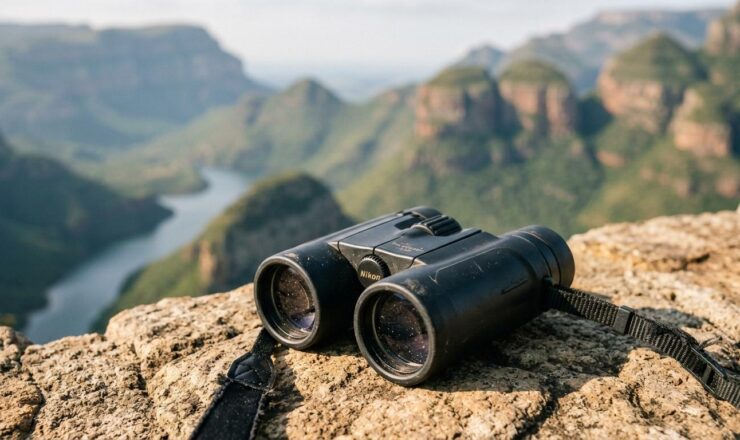
- Baggage and valuables: Protection for cameras, binoculars, phones, and luggage
- 24/7 assistance line: Someone to coordinate care and logistics when you are under pressure
- Personal liability: Useful if you accidentally cause damage or injury
If you have medical aid (especially local South African cover), still confirm how it works away from home, what authorisations are needed, and whether emergency transport is included. Many travellers choose separate travel insurance even when they have medical aid, simply for evacuation and cancellation cover.
Keep proof where you can reach it
Save your policy number, emergency contact line, and digital copies of passports and prescriptions on your phone, and keep a printed backup in your bag. Reception can be patchy in parts of the park, and a screenshot is sometimes quicker than an inbox search.
Road safety: getting to Kruger and driving inside the park
Driving is part of the adventure here. The route to Hazyview is scenic, the light changes over the hills, and you start to feel the bush getting closer. It also calls for patience and a bit of planning, especially in summer when sudden downpours can damage road surfaces or cause local flooding.
Inside Kruger, many main routes between camps are tarred, with plenty of gravel roads and quieter loops. Conditions change after rain, and corrugations can rattle a vehicle more than you expect.
The two rules that keep most people safe
Speed limits in the park are strict, and they exist for a reason: animals step onto the road without warning. Slower driving also gives you more sightings, more time to scan, and less stress.
The second rule is staying in the vehicle except in designated areas. Getting out on an open roadside is one of the quickest ways to turn a calm moment into a dangerous one.
A simple vehicle prep list helps, whether you’re renting a car or driving your own:
- Full tank before long loops
- Good spare tyre and jack
- Drinking water for everyone
- Offline map or a paper map
- Charged phone and car charger
Wildlife on the road: calm beats clever
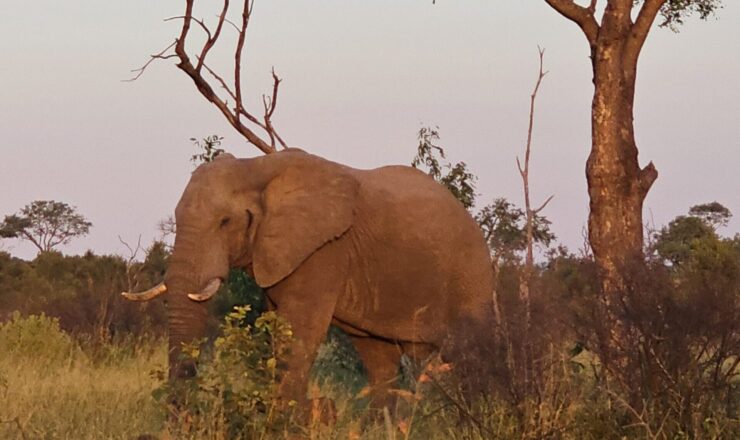
Give animals space, keep quiet, and avoid sudden moves. Do not hoot, rev, or try to edge closer for a photo. If an elephant is near the road, rather wait and let it choose its path. The bush runs on its own schedule.
Plan your day around gate times too. You do not want to be rushing to make closing time, especially in rain, dust, or fading light.
Who to call if something goes wrong
SANParks provides emergency and roadside assistance options inside Kruger. Keep key numbers saved before you enter the park, and share your intended route with someone if you’re doing a long day drive.
If you’re staying outside the park in Hazyview, it’s also worth asking your accommodation to confirm the best local contacts for towing, medical help, and after-hours advice, based on where you’re travelling that day.
Why a Hazyview base can make health and safety simpler
Many travellers like using Hazyview as a comfortable base because it’s close to the park and convenient for early starts. Being near shops, pharmacies, and main routes can take pressure off if you need supplies, repellent, sunscreen, or a last-minute travel clinic visit.
When comparing options, it helps to look at hazyview lodges that balance proximity to the park with comfort and support services. A well-located lodge can make health and safety easier to manage while also improving your overall safari experience.
A lodge stay can also reduce the load of logistics. When your accommodation can help organise Kruger safaris, transport, and timing, you get to focus on the fun parts: the early morning coffee, the first tracks in the road, and the hush that falls when a herd of buffalo crosses in front of you.
Tembo Guest Lodge in Hazyview is set up with that gateway style of travel in mind, pairing modern, comfortable rooms with help arranging Kruger drives and local activities, which suits guests who want the bush experience without feeling they have to manage every detail on their own.
The best safety plan is the one you actually follow. Pack the repellent, talk to a clinician about prophylaxis, choose travel insurance that matches your activities, and drive gently. Then let Kruger do what it does best: bring you closer to nature, one unhurried sighting at a time.