Packing for Kruger is a bit like packing for two trips at once. You plan for the season you booked, then you plan for the hour of the day you will actually be out in the bush. A sunrise game drive can feel surprisingly sharp, even when the afternoon is T-shirt weather.
A good packing list does not mean bringing more. It means bringing the right things, in the right fabrics, in colours that sit quietly in the landscape, and in layers you can add or peel off without fuss.
How Kruger’s seasons feel on the ground
Kruger National Park’s weather is shaped by heat, altitude, and big open skies. The headline is simple: summer is hot and humid, winter is dry with chilly mornings, and the rainy months can turn a clear forecast into a proper downpour in minutes.
Game viewing also affects what you wear. You may be sitting still for long stretches, often in an open vehicle. Wind chill on the drive back to camp can be real, even when the day warmed up beautifully.
If you are staying around Hazyview as a base, you also get the “gateway” rhythm: early starts, dusty shoes by lunchtime, and a quick freshen-up before dinner.
The all-year core kit (no matter the month)
Start with a small set of essentials that stay the same across seasons, It is a good idea to double-check this list before arriving at your Hazyview guesthouse to ensure you aren’t missing any bush basics:
- Documents and admin: ID or passport, driver’s licence (for self-drive), proof of booking, travel insurance details
- Sun protection: wide-brim hat, UV sunglasses, SPF 30 to 50 sunscreen
- Insects and bites: repellent (DEET or picaridin), bite cream, antihistamine
- Health basics: personal meds, plasters, blister care, pain relief, rehydration sachets
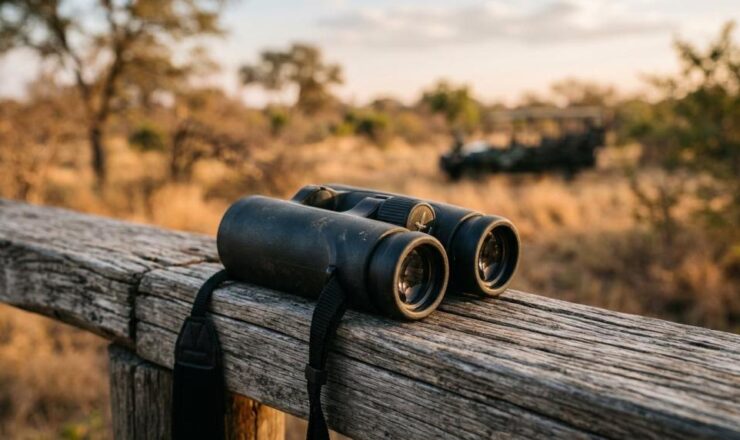
- Bush practicalities: binoculars, headlamp or torch, reusable water bottle, small daypack
- Tech and power: phone charger, camera batteries, memory cards, power bank
- Clothing “rules” that help: neutral tones (khaki, olive, beige), breathable fabrics, one long-sleeve option even in summer
One more quiet win: pack one set of closed shoes you are happy to wear at night. Even in warm weather, closed toes are a sensible choice around camps and pathways.
Season snapshot table: what to prioritise
Use this as your quick reference, then read the seasonal sections for detail.
| Season in Kruger | What it’s like | Clothing focus | Non-negotiables |
|---|---|---|---|
| Summer (Nov to Mar) | Hot, humid, afternoon storms | Light, breathable, long sleeves for sun and insects | Repellent, sunscreen, water, packable rain layer |
| Rainy months (Oct to Apr) | Sudden downpours, muddy patches, sticky humidity | Quick-dry fabrics, waterproof outer, spare socks | Dry bags, rain cover for daypack, wipe-down cloth |
| Winter (Jun to Sep) | Dry air, crisp mornings and evenings, warm midday | Layering, warm top layer, beanie and gloves | Lip balm, moisturiser, warm jacket for early drives |
Summer (November to March): hot days, warm nights, dramatic skies
Summer in Kruger can be lush and alive. The bush is greener, baby animals appear, and the air often carries that fresh “rain-on-dust” scent after a storm. It is also the season when you feel the sun quickly, and when mosquitoes are at their most active.
Clothing is about airflow and coverage at the same time. Short sleeves are comfortable at midday, yet long sleeves can be more comfortable overall because they reduce sun exposure and help with insects when you are outdoors at dawn and dusk.
After a paragraph like this, a simple clothing list helps most travellers pack fast:
- breathable shirts in neutral colours
- shorts or zip-off trousers
- lightweight long-sleeve sun shirt
- swimsuit for pool time
- sandals for around the lodge
- comfortable trainers for walking and travel days
A light rain jacket or poncho earns its place in summer, even if you only use it once. Afternoon storms can roll in quickly, and a wet game drive without a shell is not nearly as romantic as it sounds.
Rainy months (October to April): staying dry without hauling heavy gear
The rainy season overlaps summer, but it helps to treat it as its own packing mindset. The goal is not “waterproof everything”. The goal is “keep essentials dry, and let everything else dry quickly”.
Choose quick-dry fabrics (many travel shirts and trousers use nylon or polyester blends). Cotton can feel lovely when it is dry, then become heavy and clammy once soaked. A second pair of socks in your daypack is a small luxury that can rescue your mood after a wet morning.
Protecting electronics matters more than adding more clothing. If you carry a camera, pop a small dry bag in your daypack, or use a rain cover. The same goes for your phone, car keys, and travel documents.
Footwear is worth thinking about here. You do not need serious trekking boots for a standard Kruger itinerary, yet you do want soles with grip and uppers that can handle a splash. If your shoes get wet, a spare set of laces and a newspaper-stuffing trick back at your room can help them dry faster overnight.
Winter (June to September): layers, clear air, early starts
Winter is the dry season, and many visitors love it for the crisp visibility and the way animals gather around water. Days can be pleasantly warm, then mornings and evenings can catch you out, especially in an open vehicle at sunrise.
Layering is everything. You want to start warm, then strip down as the sun climbs. It is easier to manage three light layers than one bulky item that you cannot adjust.
- Base layer: thermal top or moisture-wicking T-shirt
- Mid layer: fleece or warm long-sleeve shirt
- Outer layer: windproof jacket (light down works well if it packs small)
- Extras for the vehicle: beanie, gloves, buff or scarf
- Warmth helpers: hand warmers, insulated mug, thick socks
Do not skip sunscreen in winter. The air may be cool, yet the sun can still bite, especially after hours on the road with your face turned toward the window scanning for movement.
Dry air also changes your skin routine. A simple lip balm and a small moisturiser can be more useful than you expect, especially after a few windy drives.
Colours and fabrics: small choices that make a big difference
Neutrals are popular on safari for good reasons. They blend into the landscape, they photograph well, and they do not shout when you hop out at a viewpoint or rest camp.
Try to avoid bright whites and strong primary colours, and be cautious with dark blue and black. Dark colours absorb heat, and some insects are more attracted to darker tones. You do not need to buy a whole new safari wardrobe, just aim for calm colours and comfortable cuts.
Fabric choice is your real comfort tool:
Lightweight, quick-dry materials help in summer and rainy months. In winter, a warm layer that blocks wind does more than a thick sweater that lets air straight through.
Day visitor, self-drive, or guided drives: pack to match your plan
Your packing list should match how you will spend your days.
If you are doing guided game drives and returning to your accommodation after each outing, your daypack does the heavy lifting: water, camera, a warm layer, rain protection. You can keep the rest of your luggage simple.
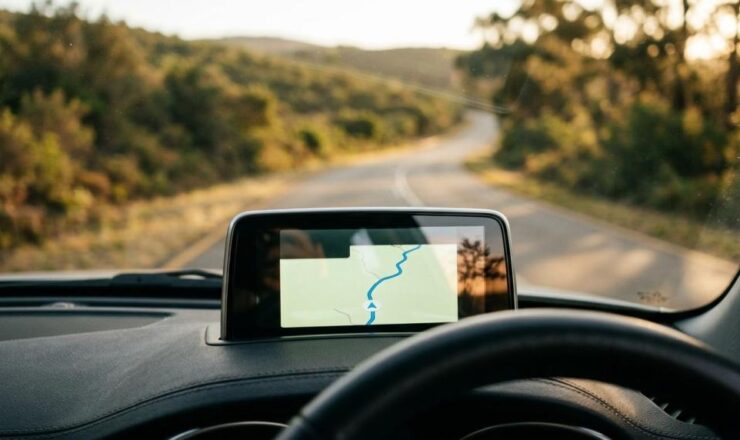
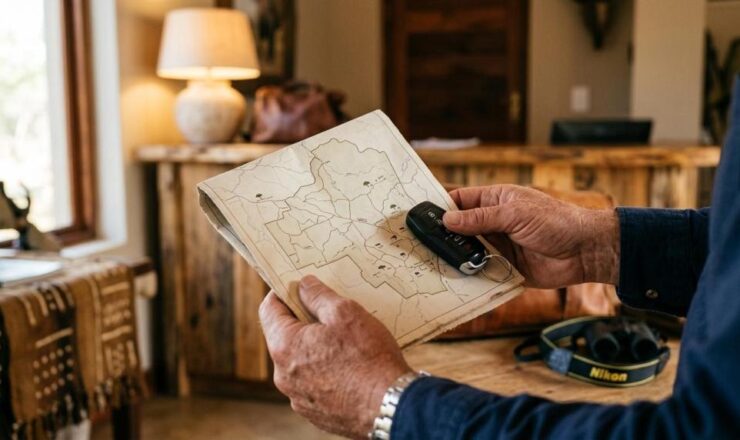
If you are self-driving, add “car comfort” items. A small rubbish bag, tissues, wet wipes, and a phone mount can make long loops easier. It also helps to have a proper park map and a charging cable that works in your vehicle.
If you are camping, your list grows fast: towels, bedding, cooking gear, and extra lighting. Even then, it is still worth packing modularly, so your game drive kit stays separate from your campsite kit.
A few small comforts that earn their space
Some items feel optional until you have them once, then they become “always pack” favourites.
A buff (neck gaiter) is a classic: sun cover, dust cover, warmth, and even a quick eye mask if you doze off on the drive back.
A microfibre cloth is another winner. It wipes dust off sunglasses, dries a phone after rain, and cleans a camera lens gently.
If you wear contact lenses, pack eye drops. Dust, wind, and long hours staring into the distance can make eyes feel tired.
Staying near the Park: why your base matters for packing
When planning your trip, choosing the right base is as important as what you pack. If you prefer the flexibility of preparing your own meals after a long day of game drives, looking for Hazyview self-catering options or a well-located guesthouse in Hazyview provides the perfect balance of comfort and proximity to the Phabeni Gate.
For those who want total independence, the town is ideal for travelers needing self-catering accommodation in Hazyview. Having a kitchen means you can pack your own cooler boxes for the park exactly how you like them
When your accommodation is close to the Kruger gates, you can pack lighter for each day because you are not living out of a bag. Staying in Hazyview is a popular choice for this reason: you can get moving early, return for a break, then head out again.
Tembo Guest Lodge in Hazyview is set up for exactly this kind of stay, with modern, comfortable rooms and help available for organising Kruger safaris, packages, and transport. That kind of support changes how you pack: fewer “what if” items, more of what you will actually use.
A simple way to pack the night before a drive
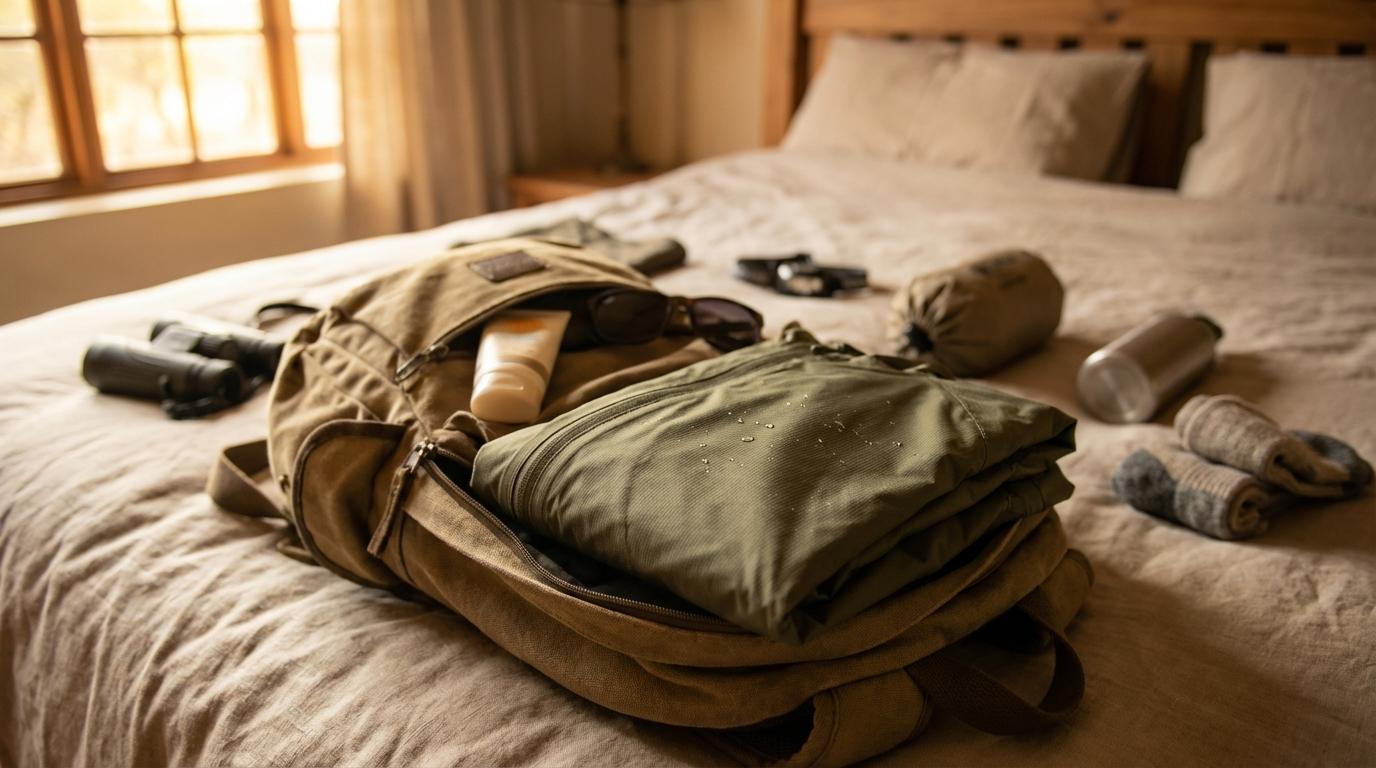
Lay out tomorrow’s outfit in layers, then pack your daypack as if you will not return until late afternoon, even if you plan to be back for lunch. Weather and sightings can stretch a drive, and it is nicer to be prepared than to rush.
Keep your warm layer or rain layer right at the top. When the vehicle stops and the wind picks up, you will want it in seconds, not under everything else.
And if you are only going to remember one packing tip, make it this: pack for the morning you are going to feel, not the afternoon you are imagining.