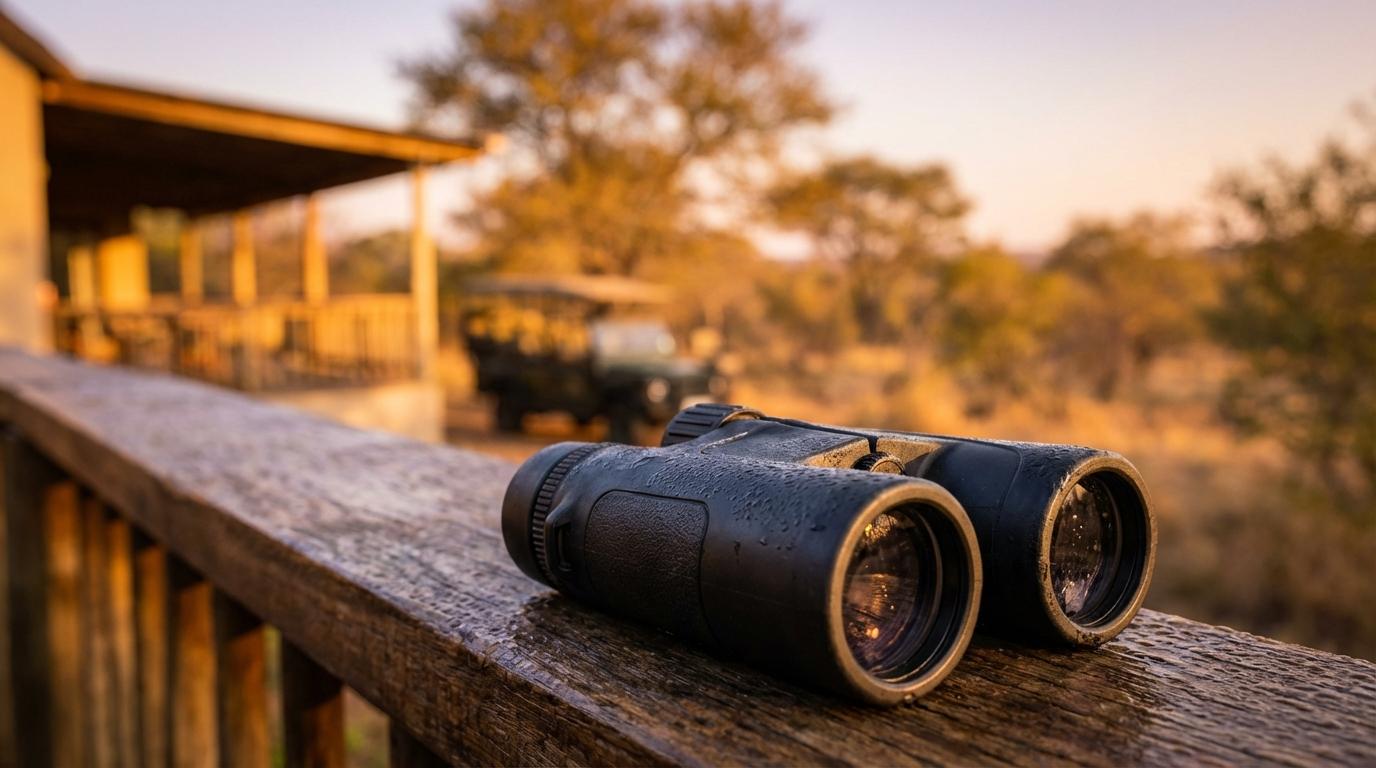
For many safari travellers, the Big Five are the animals that turn a good game drive into a story told for years. Lion, leopard, elephant, buffalo and rhino are not the only stars of the bush, yet they remain the sightings people wait for with cameras ready and hearts racing.
Kruger National Park is one of the finest places in Africa to look for all five. It is vast, beautifully varied, and rich in wildlife. Still, timing matters just as much as place. A stay in the right part of the park during the right season can make a very real difference to what you see.
If you are comparing itineraries before you book, it helps to match the season and region in this guide to the trip length and departure city you have in mind.
- Popular options include a 3-Day Kruger Safari from Johannesburg, a 2 – Day Kruger Safari from Johannesburg, a 3-Day Kruger Safari from Cape Town, a 2-Day Kruger Safari from Cape Town, or a longer 5-Day Kruger National Park Safari
- If Kruger dates do not line up, a Pilanesberg Safari can be a practical alternative for South Africa, especially for short stays
- If your dream is “Big Five” in an East African context, a 3-Day Masai Mara Safari is a classic big-cat-focused counterpart to Kruger
A few quick planning ideas make the biggest difference.
- If you want a faster, high-probability Big Five hit, prioritise a short winter break that targets southern and central Kruger
- If you want more breathing room for repeat sightings, add nights and include both southern rivers and the central plains around Satara
Why these five animals matter so much
The term “Big Five” came from old hunting language and referred to the five animals considered the most difficult and dangerous to track on foot. Today, the meaning has changed. For modern safari guests, the Big Five represent some of the most thrilling and memorable wildlife encounters in South Africa.
Each one offers a very different kind of sighting. Lions bring drama and pride behaviour. Leopards bring suspense, often appearing like ghosts in the trees or riverbeds. Elephants bring energy, movement and those wonderful close family interactions. Buffalo can look calm one minute and deeply intimidating the next. Rhino sightings feel rare and special, which is part of why they stay with people.
A Big Five safari is also about much more than ticking off a list. It is about watching how these animals fit into the wider rhythm of the bush.
- Lion: social, vocal and often seen near open plains
- Leopard: elusive, solitary and easiest to miss if you are not watching carefully
- Elephant: active around water and often visible in large family groups
- Buffalo: herd animals, usually linked to grazing areas and water
- Rhino: unforgettable to see, though sightings are often treated with care for conservation reasons
The best time of year in Kruger
If your main goal is to see the Big Five, the dry winter season is usually the best time to visit Kruger. This runs roughly from May to September, with excellent game viewing often stretching into early October.
During these months, the bush thins out. Grass is shorter, trees carry fewer leaves, and animals spend more time around dependable water sources. That makes them easier to spot, especially in the early morning and late afternoon when game drives are at their best.
Winter also brings milder temperatures, which many guests enjoy. Early starts can be chilly, especially in open safari vehicles, though the reward is often a more active bush. Lions may still be out after the night’s hunting, leopards may linger on roads before disappearing into cover, and elephants are often already on the move.
The green summer season, from roughly November to April, has its own appeal. The landscape becomes lush and beautiful, migrant birds arrive, and many antelope give birth. There can be wonderful sightings then too, yet dense vegetation makes the Big Five harder to find consistently. If your dream is reliable Big Five viewing rather than a greener scenic safari, winter has the edge.
A quick guide by species
The pattern is clear across all five animals, though each species has its own habits and favourite terrain. This simple guide is a useful starting point when planning a Kruger safari.
| Species | Best time in Kruger | What improves sightings | Often productive areas |
|---|---|---|---|
| Lion | May to September | Thin bush, prey near water, active at dawn and dusk | Central and southern plains, Satara region, Lower Sabie area |
| Leopard | May to September | Sparse cover near rivers and roads, cooler mornings | Skukuza, Lower Sabie, riverine areas, Greater Kruger reserves nearby |
| Elephant | May to September | Herds gather near rivers and waterholes | Southern and central Kruger, Sabie and Olifants river systems |
| Buffalo | May to October | Large herds stay close to grazing and permanent water | Southern Kruger, central grassland zones, river areas |
| Rhino | May to September | Shorter grass and better visibility | Various southern and central sections, with exact sightings often kept discreet |
No season can promise every animal on every drive. Wildlife remains wild, and that is part of the magic. Even so, this window gives guests the strongest chance of repeated, quality sightings.
Where to look in Kruger for the best all-round results
Southern Kruger is often the best place to start, especially for first-time safari guests. The area around Skukuza, Lower Sabie and Crocodile Bridge has a high density of wildlife, a well-developed road network and a good mix of riverine habitat, open areas and woodland. That variety supports all five species.
Lower Sabie has long been loved for strong all-round game viewing. The Sabie River draws animals throughout the year, and the surrounding roads can be rewarding for lion, elephant, buffalo and leopard. Skukuza is another strong base, especially for travellers who want access to several productive routes without long transfer times.
Central Kruger, especially around Satara, is often called big cat country. Open grasslands and strong prey numbers make it a favourite area for lion sightings, and leopard are seen there too. If your dream safari image is a pride moving through golden grass in early light, this is a very good place to be.
The Olifants region is scenic and rewarding, especially for elephant and buffalo, with strong general game viewing and dramatic river landscapes. It can feel a little wilder and less concentrated than the busy southern circuit, which some travellers really enjoy.
When people ask where the “best” place is, a helpful answer is usually this:
- Southern Kruger: best all-round option for first-time visitors
- Satara and central plains: strong for lions and open-country sightings
- Skukuza and Lower Sabie roads: very good for leopard, elephant and mixed sightings
- Greater Kruger private reserves: excellent guided viewing, with Sabi Sands especially well known for leopard encounters
Animal by animal: what to watch for
Lion
Lions are often easiest to see in the dry months when prey animals bunch more closely around water and grazing areas. They are most active in the cooler parts of the day, so morning and afternoon drives matter.
Central Kruger is especially good for lions because of its open plains and healthy prey base. Southern Kruger also produces excellent sightings, including prides resting on road verges, near drainage lines or in light shade not far from open ground.
- For compact trips like a 2 – Day Kruger Safari from Johannesburg or a 2-Day Kruger Safari from Cape Town, focus your drives around southern rivers and the central plains for the best lion odds
- For a 5-Day Kruger National Park Safari, add Satara time specifically to maximise big-cat opportunities across multiple drives
Leopard
Leopards are the most elusive of the Big Five for many guests, which makes a good sighting feel especially rewarding. Winter helps a lot. Less leaf cover means better visibility in trees and along riverbanks, and guides can often pick up tracks more easily on roads.
The southern parts of Kruger have a strong reputation for leopard, especially near river systems. Adjacent Greater Kruger reserves, including Sabi Sands, are also famous for regular leopard sightings on guided drives.
- If leopard is your “must-see,” guided routes and repeat drives matter more than trying to cover too much ground in one day
- If you are choosing between a 3-Day Kruger Safari from Johannesburg and a 3-Day Kruger Safari from Cape Town, aim for itineraries that include early-morning drives along the Sabie River roads
Elephant
Elephants are seen across much of Kruger, yet dry season viewing can be superb. Family groups gather at waterholes and rivers, bulls move between feeding areas, and the shorter vegetation makes their movements easier to follow.
Few safari moments feel as grounding as watching elephants drink quietly at sunset or hearing a herd moving through the bush before you see them.
- Shorter trips often deliver excellent elephant sightings because southern Kruger’s rivers and waterholes are so consistently productive
- Longer trips give you more chances to see relaxed, extended family behaviour as herds move between feeding and drinking areas
Buffalo
Buffalo are often found in impressive herds, especially in areas with access to water and good grazing. In winter, they can become more predictable because they must return to dependable water sources.
Southern and central Kruger both offer good chances. Early morning is often rewarding, when herds are active and moving with purpose.
- If you are building a time-efficient Big Five plan, include at least one dawn drive to increase buffalo and predator activity
- If Kruger is not possible on your dates, a Pilanesberg Safari can still offer strong general game viewing in a shorter travel window
Rhino
Rhino are one of the most special animals to see in Kruger. Cooler, drier months improve visibility, though guides and lodges are rightly careful about how much location detail is shared. That discretion supports conservation and helps protect these animals from ongoing threats.
Guests hoping to see rhino should focus on the dry season, stay flexible, and trust the guide’s judgement.
- In practice, the best rhino approach is to maximise time on drive and let the guide work with real-time conditions rather than chasing specific spots
- If your aim is “best chance” rather than “guaranteed,” add days where possible, which is why a 5-Day Kruger National Park Safari is often more rewarding than a quick in-and-out
Dry season or green season: which suits your safari style?
The answer depends on what matters most to you.
If Big Five sightings are your top priority, dry season is the safest choice. Visibility is better. Animal movements are easier to predict. Morning and late afternoon drives can be excellent without the heavy humidity of midsummer.
If you love dramatic skies, rich birdlife, newborn antelope and greener photography, summer can still be wonderful. The bush feels fresh and full of life. You may work harder for sightings, but the park has a softer, more lush character that many return visitors enjoy.
A good way to think about it is this:
- Dry season: best for classic game viewing and clearer visibility
- Green season: best for scenery, birding and a quieter, more seasonal feel
Making the most of a Kruger base near Hazyview
Staying near Hazyview gives travellers easy access to southern Kruger, which is one of the strongest regions for first-time Big Five safaris. It also makes those early departures far less stressful, and that matters more than many people expect. The best wildlife activity often happens just after the gates open.
A comfortable Hazyview hotel can work very well as a base for guests who want modern rooms, flexible touring and help with safari planning. It suits couples, families and even business travellers adding a short bush break to a wider trip.
As Mpala Safaris notes, South Africa works well for multi-generational safaris because lodge setups and guiding can be tailored to different ages without losing the core game-viewing focus.
A few practical habits can improve your chances on every drive:
- warm layers for winter mornings
- patience
- quiet voices
- binoculars
- a guide who knows the area well
- more than one game drive
Two or three drives usually give a far better picture of Kruger than a single outing. One morning may belong to elephants and buffalo, while the next brings lion on the move and a leopard on a marula branch.
For travellers who want the best mix of comfort, access and wildlife potential, a stay close to the southern gates paired with well-timed guided safaris is often a very smart choice. It gives you a strong shot at the Big Five while still leaving room to enjoy the slower pleasures of the Lowveld: sunrise coffee before the drive, warm afternoons back at the lodge, and that lovely feeling of listening to the bush after dark while planning the next morning’s start.