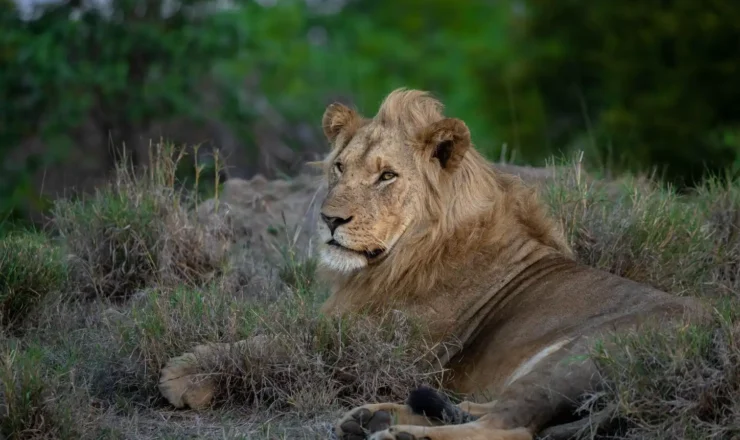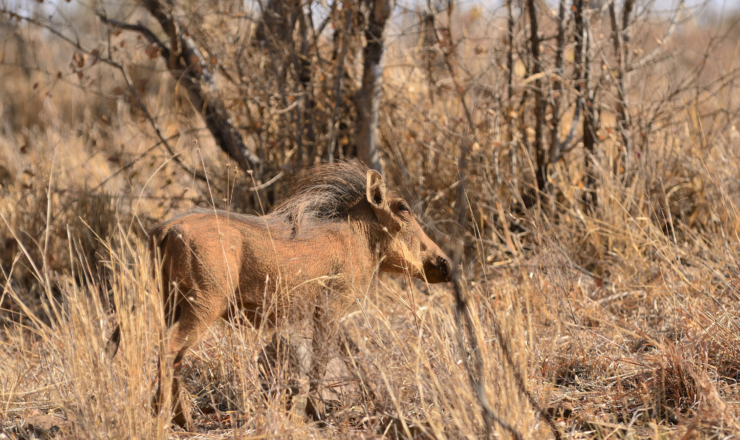
Hazyview is one of the best-kept secrets in South African safari planning. While most first-time visitors fixate on booking a lodge deep inside Kruger National Park, seasoned travelers know that basing yourself just outside the park — in a town with easy gate access, good restaurants, and flexible accommodation — often makes for a smoother, more affordable, and more enjoyable trip.
This guide walks through exactly how to plan a Kruger safari from Hazyview: where to stay, how to get there, how to book your game drives, and what to do with the rest of your time in the Lowveld.
Why Hazyview Is the Smartest Base for a Kruger Safari
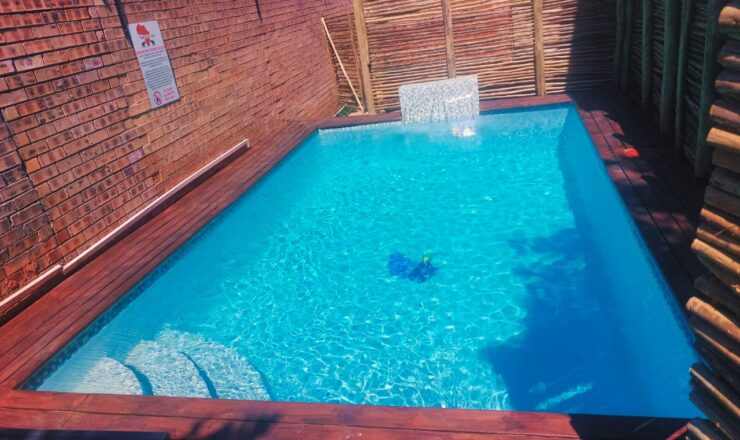
Hazyview sits roughly 9 km from Phabeni Gate, one of Kruger National Park’s closest and quietest entrances. That proximity matters more than it sounds — it means an early-morning game drive doesn’t require a 5 a.m. wake-up call, and you’re back in comfortable accommodation with a proper bed, a pool, and a real breakfast long before the midday heat sets in.
Staying in Hazyview rather than inside the park itself also opens up far more accommodation variety and value. Rest camp accommodation inside Kruger books out months in advance during peak season and comes at a premium. A well-located Hazyview base gives you the same wildlife access at a fraction of the planning stress. If you want the fuller comparison of staying inside versus outside the park, our guide to Kruger accommodation options breaks down the trade-offs in detail, and our overview of Kruger Park accommodation more broadly covers what’s available across the whole region.
Choosing Where to Stay: What to Look For
Not all Hazyview accommodation is built with safari travelers in mind. The details that matter most are gate proximity, whether breakfast boxes or early check-out are available for pre-dawn game drives, and whether the property can help arrange your safari rather than leaving you to organize transport and permits yourself.
If you’re comparing options, our guide to accommodation in Hazyview and our broader Hazyview accommodation overview both walk through what separates a genuinely safari-ready lodge from a standard guesthouse that happens to be nearby.
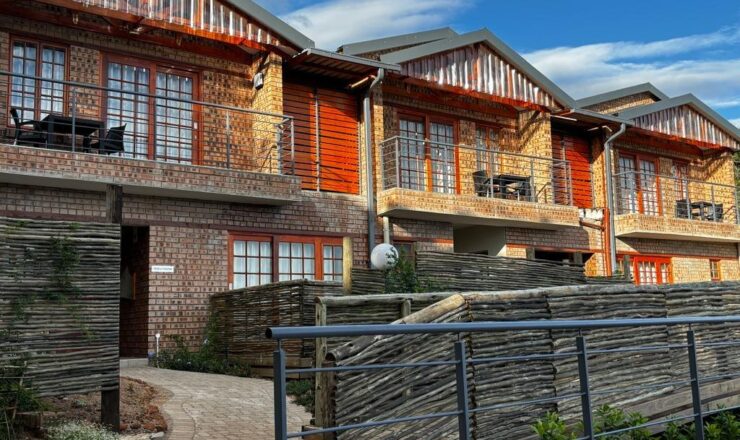
At Tembo Guest Lodge, we built our entire operation around this gap. We’re a four-star guesthouse just minutes from Phabeni Gate, and every room is set up with the early-morning safari traveler in mind — from packed breakfast boxes to flexible check-in for guests arriving after a long travel day. You can browse our full range of accommodation options, including our spacious Family Room, which comfortably fits families or small groups traveling together for a multi-day Kruger trip.
Self-Catering, Guesthouse, or Bed & Breakfast?
Travelers often assume “accommodation near Kruger” means one thing, but the options actually split into a few distinct categories, and picking the right one changes your whole trip rhythm.
A traditional guesthouse setup, like Tembo, includes breakfast, communal spaces, and staff who can help coordinate your safari bookings and local recommendations — ideal if you want a bit of hand-holding on a first visit. If you’d rather cook your own meals and set your own schedule, a self-catering option in Hazyview gives you more independence, which can suit longer stays or larger groups splitting costs. And if you specifically want the classic bed-and-breakfast experience — home-cooked meals, a smaller and more personal property — our guide to bed and breakfast options in Hazyview covers what to expect from that category specifically.
There’s no universally “correct” choice here. Families with young children often prefer the flexibility of self-catering, while first-time safari travelers tend to get more value from a guesthouse that can guide them through logistics they’ve never had to think about before, like gate cashless payment systems or which entrance to use for a full-day drive.
Getting to Hazyview: The Airport Transfer
Most Kruger safari travelers fly into Kruger Mpumalanga International Airport (KMIA) rather than driving the full distance from Johannesburg, and the transfer from there to Hazyview is short — typically under an hour by road. If you’re planning this leg of the trip, our detailed breakdown of the Kruger Mpumalanga Airport to Hazyview transfer covers transfer times, transport options, and what to expect on arrival, so you can plan your first day without any surprises.
For travelers coming from further afield, Hazyview also works well as a stop after Johannesburg via the Panorama Route, giving you the scenic drive as part of the journey rather than treating it as dead travel time.
Booking Your Kruger Safari
Once your accommodation is sorted, the next decision is how to structure your actual game drives. A standard guided drive runs about 3 to 3.5 hours, while full-day safaris extend to roughly 10–11 hours in the park, typically with a breakfast or lunch stop at one of Kruger’s rest camps. Multi-day packages generally produce better sightings simply because you’re getting more drives across different times of day, when different species are active.
You can view our full range of guided Kruger safaris direct from Hazyview, all of which include SANParks conservation and entry fees in the tour price, so there are no surprise costs once you’re at the gate. If you’d prefer a structured multi-day itinerary that bundles accommodation, transfers, and game drives together, our Kruger Park packages are built specifically around a Hazyview base, making logistics simple from arrival to departure.
Extending Into the Private Reserves
Kruger National Park itself is an extraordinary safari destination on its own, but travelers who want off-road tracking, night drives, and a more exclusive experience sometimes choose to combine a Hazyview stay with a night or two in one of the private reserves bordering the park, such as Sabi Sands, Timbavati, or Manyeleti.
For that add-on, we regularly point our guests to Kruger Safari Africa, a specialist safari operator covering the Greater Kruger private reserves in depth. It’s a useful resource if you want to understand how a private reserve stay differs from a public Kruger game drive, or if you’re weighing up whether to add a few nights in Sabi Sands or Timbavati onto your Hazyview trip.
What to Do Beyond the Safari
A Kruger trip from Hazyview doesn’t need to be wall-to-wall game drives. The Panorama Route — with stops like God’s Window, Bourke’s Luck Potholes, and the Blyde River Canyon — is a short drive away and makes an excellent rest day between safari outings. Hazyview itself also has a growing selection of local markets, cultural experiences, and adventure activities like zip-lining and river rafting.
Our full guide to things to do in Hazyview covers the best options for filling a non-safari day, which is especially useful if you’re traveling with kids or non-safari-focused companions who’ll want a change of pace partway through the trip.
Combining Kruger With the Rest of South Africa
Many travelers arrive in South Africa with more than just Kruger on their itinerary — Cape Town, the Winelands, and the Garden Route are common pairings. The logistics of combining a Cape Town leg with a Kruger safari trip trip up a surprising number of first-time visitors, mostly around flight timing and how many days to allocate to each region.
Our guide to planning both Cape Town and Kruger walks through exactly how to sequence the two legs of the trip, including realistic flight connection times and how to avoid losing a full day to transfers. If your trip includes both regions, it’s worth reading before you lock in flights.
Best Time of Year to Visit
Kruger’s dry winter season, from May to September, is widely considered the strongest window for wildlife sightings. As vegetation thins and water sources shrink, animals concentrate around the remaining rivers and waterholes, making sightings far more predictable — June through September in particular is regarded as prime viewing season, though mornings can be cold, often dropping into single digits before sunrise.
The wet summer months bring lush green scenery, newborn animals, and outstanding birdlife, but thicker vegetation makes spotting the Big Five noticeably harder. Whichever season suits your travel dates, staying in Hazyview means you’re never more than a short drive from the gate, so a slow morning doesn’t cost you as much time as it would from a lodge deeper inside the park.
A Sample 4-Night Hazyview Safari Itinerary
If you’re not sure how to structure the days, here’s a simple framework that works well for most first-time visitors basing themselves in Hazyview.
Night 1 — Arrival. Transfer in from Kruger Mpumalanga International Airport or complete the drive from Johannesburg via the Panorama Route. Check in, settle into your room, and use the afternoon to relax after travel rather than rushing straight into a game drive.
Day 2 — Full-day safari. Depart early through Phabeni Gate for a full-day guided drive, with a breakfast or lunch stop at one of Kruger’s rest camps. This is typically the day with the best odds of a complete Big Five sighting, since you’re covering the most ground across the most time windows.
Day 3 — Rest and explore. Use a non-safari day for the Panorama Route, a local market visit, or one of Hazyview’s adventure activities. Mixing safari days with lighter days keeps the trip enjoyable rather than exhausting, especially for families or travelers combining Kruger with other regions of the country.
Day 4 — Morning game drive. A shorter half-day morning drive, timed for the cooler hours when predators are most active, followed by an afternoon at leisure back at the lodge.
Day 5 — Departure. A final relaxed breakfast before your transfer back to the airport or onward to your next destination.
This structure balances enough time in the park for genuinely good wildlife odds with enough downtime that the trip doesn’t feel like a checklist. It’s also easy to extend — travelers who want to add a night or two in a private reserve typically slot that in either before arriving in Hazyview or as an extension at the end of the trip.
Frequently Asked Questions
How far is Hazyview from Kruger National Park? Hazyview sits approximately 9 km from Phabeni Gate, one of the closest and least congested entrances to Kruger National Park, making it an efficient base for daily game drives.
Is it better to stay inside or outside Kruger National Park? Both work well, but staying outside the park in a town like Hazyview typically offers more affordable accommodation, greater flexibility, and easier access to guided safari tours, without meaningfully sacrificing wildlife access.
Do I need to book my Kruger safari in advance? Yes, especially during the dry season (May to September), when both accommodation and guided safaris fill up well ahead of peak travel dates.
Can I combine a Hazyview stay with a private reserve safari? Yes. Many travelers add a few nights in a private reserve like Sabi Sands or Timbavati onto a Hazyview-based Kruger trip. Specialist operators such as Kruger Safari Africa can help arrange that add-on.
What should I pack for a Kruger safari from Hazyview? Warm layers for early mornings (especially May to August), a hat, sunglasses, sunscreen, closed shoes, insect repellent, binoculars, and a camera with a spare battery are the essentials for any game drive.
Ready to Plan Your Kruger Trip?
Hazyview offers the rare combination of easy park access, genuine accommodation variety, and enough local activities to fill the days between game drives. Whether you’re after a family-friendly guesthouse, a self-catering base for a longer stay, or a fully guided multi-day package, the planning gets much simpler once you’ve picked the right home base.
Browse our accommodation options, take a look at our guided safaris, or get in touch with our team via our contact page to start building your itinerary.