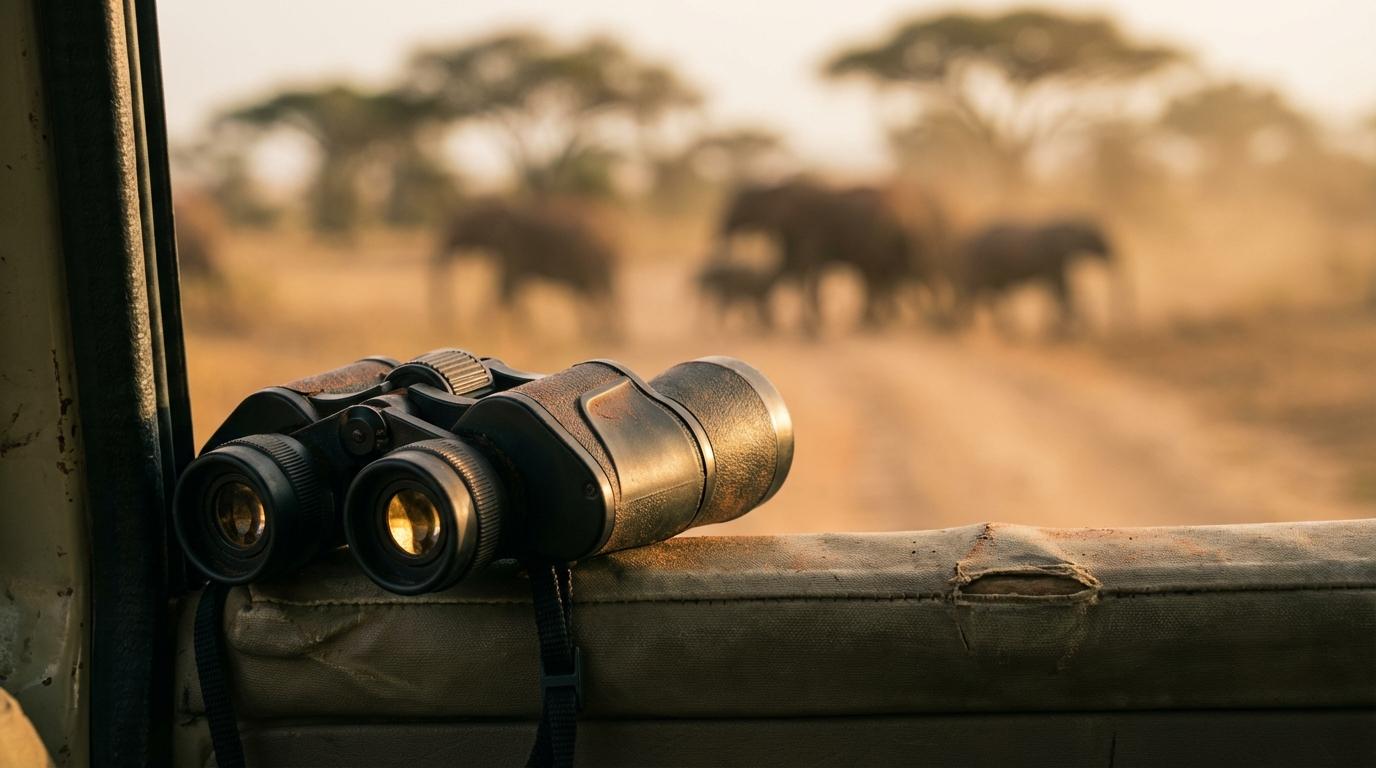
A South African safari can feel wonderfully close to nature: sunrise over the bush, dust lifting softly off the road, and the quiet excitement of spotting an elephant, lion or giraffe in its natural habitat. That sense of wonder is part of what brings so many travellers to places like Hazyview and the Greater Kruger area.
The privilege of seeing wildlife comes with a clear responsibility. Ethical wildlife viewing is not about getting the closest photo or the fastest sighting. It is about giving animals space, respecting park rules, and allowing the bush to unfold on its own terms. When guests approach safari this way, the experience is often calmer, safer and far more meaningful.
What ethical wildlife viewing really means
At its heart, ethical viewing puts animal welfare first. Wild animals should be able to rest, hunt, drink, move and care for their young without being pushed, cornered or distracted by people. That means no feeding, no touching, no shouting, no chasing for a better angle, and no pressure on guides to break rules for a dramatic moment.
It also means respecting the land itself. Roads are there for a reason. Designated stopping areas are there for a reason. Park regulations are not there to spoil the fun. They are there to protect fragile habitats, keep visitors safe and help wildlife remain truly wild.
Ethical safari etiquette includes people too. A trip through South Africa is not only about animals. It is also about local communities, lodge staff, guides, drivers and artisans whose work supports the travel experience. Courtesy, patience and cultural respect belong just as much on safari as binoculars and cameras.
Why small actions matter in the bush
One noisy vehicle may not seem like much. One tossed fruit peel may seem harmless. One request to “just get a bit closer” can feel innocent. Yet in busy wildlife areas, these small actions add up very quickly.
Animals respond to pressure. Repeated crowding can interrupt feeding and resting. Loud voices and camera flashes can unsettle nervous species. Predators surrounded by vehicles may alter their behaviour, while prey animals can become more skittish and stressed. Over time, poor visitor behaviour changes the quality of the safari for everyone, including the wildlife.
The bush notices everything.
That is why responsible safari travel is often described in simple terms: take only photographs, leave only footprints. It sounds modest, yet it carries a strong message. We are visitors in a living ecosystem, not directors of the scene.
Responsible choices versus harmful ones
A few common safari moments show the difference between respectful viewing and behaviour that puts animals, habitats and people under strain.
| Situation | Responsible choice | Harmful choice | Why it matters |
|---|---|---|---|
| A lion is resting near the road | Keep a respectful distance and let the guide decide where to stop | Urge the driver to move closer or block the animal’s route | Resting and movement patterns are disturbed |
| You want a better photo | Use zoom, stay quiet, switch flash off | Stand up, lean out, clap or make noises | Animals may become alarmed or agitated |
| There is a busy sighting | Wait patiently or move on if the space is crowded | Join a cluster of vehicles or pressure others out | Crowding increases stress and spoils the sighting |
| Monkeys or birds approach for food | Secure snacks and keep windows managed | Feed them for a close interaction | Feeding creates dependency, aggression and health risks |
| You stop near a community area | Ask before taking photos and be courteous | Photograph people without permission | Respect for hosts matters as much as wildlife respect |
The basic rules every guest should follow
South African parks and reserves have clear codes of conduct, and they are well worth taking seriously. In national parks, guests are generally required to remain in their vehicles except in marked areas, stay on designated roads, obey speed limits, and avoid any behaviour that disturbs wildlife. Feeding animals is prohibited. Littering is prohibited. Off-road driving in national parks is prohibited.
Good safari etiquette is often very simple.
- Stay in the vehicle where required
- Keep voices low
- Leave no litter behind
- Switch flash off
- Never feed wildlife
- Let animals keep the right of way
- Follow the guide’s instructions immediately
When everyone in the vehicle respects these basics, the atmosphere changes. Sightings feel calmer. Animals behave more naturally. Guests feel safer and more connected to what is happening around them.
Distance, patience and quieter sightings
Distance is one of the most important parts of ethical viewing. Many guides work with a sensible buffer, often around 20 to 30 metres from larger animals when conditions allow. The exact distance will vary with the species, the setting and the guide’s judgement, but the principle stays the same: if an animal changes its behaviour because of your presence, you are probably too close.
Patience matters just as much. A good guide does not need to rush, crowd or chase. Often, the finest sightings happen when a vehicle is parked quietly, the engine is turned off, and guests simply wait. A herd may cross the road in its own time. A leopard may lift its head after several quiet minutes. A breeding herd of elephants may move past more peacefully when there is no noise and no sudden movement.
The best safari moments are rarely the loudest ones.
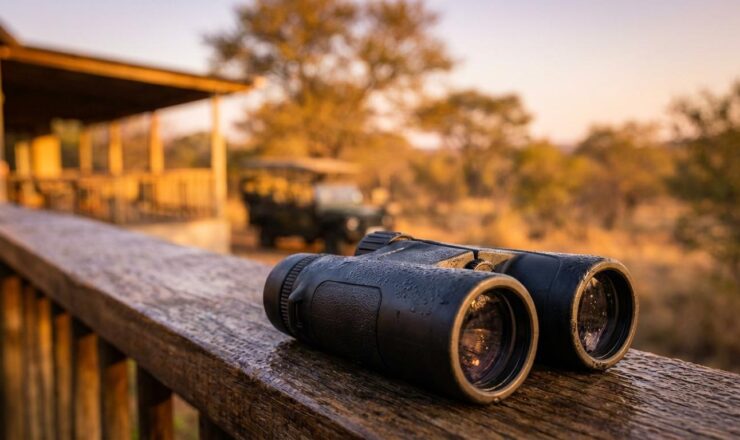
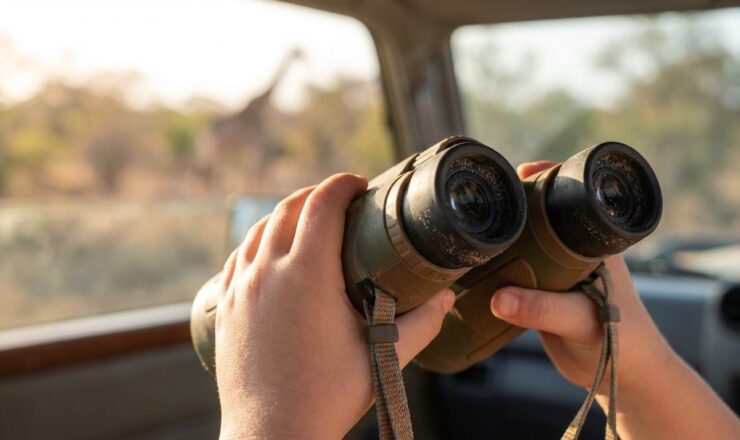
If you are photographing wildlife, zoom is your friend. A long lens or binoculars can bring you closer without intruding. Flash should stay off. Loud burst sounds, sudden movement and bright light can all disrupt the scene. The aim is not only to get the image, but to keep the moment undisturbed while you do it.
Choosing ethical safari experiences
The kind of operator you choose shapes the whole experience. Responsible safaris are usually led by qualified guides who know local rules, read animal behaviour well and are comfortable saying no when a situation calls for restraint. That kind of professionalism gives guests peace of mind, especially in places close to Kruger National Park where rules are carefully enforced.
It also helps to choose activities grounded in genuine wildlife viewing rather than staged interaction. Wild animals should be observed in the bush, not handled for entertainment. Attractions built around cub petting, predator walking, elephant rides or guaranteed close contact may sound tempting on paper, but they raise serious welfare concerns and do not reflect respectful safari practice.
A few signs can help when you are deciding what to book:
- A good sign: qualified guides or SANParks rangers leading the activity
- Worth checking: conservation or entry fees included in the booking
- A healthy approach: clear safety briefings and firm park-rule compliance
- Be cautious of: “guaranteed” sightings that suggest pressure on wildlife
- Best avoided: any activity based on touching, feeding or posing with wild animals
For guests staying in the Hazyview area, this is especially relevant. Being close to Kruger is a gift, and it makes sense to choose game drives and safari packages that respect official standards from the start.
Respect for local people is part of safari etiquette too
Wildlife travel is often described as a nature experience, yet it is also a human one. From the person greeting you at reception to the guide sharing field knowledge, many people help shape a memorable stay. A little courtesy goes a long way.
Ask before photographing people, especially children. Greet warmly. Listen when cultural context is shared. Dress appropriately when visiting villages or community spaces. Tip fairly where tipping is customary and within your means. If you are buying keepsakes, locally made crafts are usually a far better choice than items made from shells, bones, ivory or other wildlife products.
Respect builds trust, and trust helps tourism support communities in a more positive way.
Reducing your footprint beyond the game drive
Responsible safari habits do not stop when the vehicle is parked. They continue at the lodge, on walking paths, at picnic spots and during transfers. Water and energy can be limited in many bush areas, so using both carefully is a simple way to travel with more care. Easy-Stay’s gennemgang af, hvad miljøvenlig overnatning indebærer i praksis, peger netop på gennemtænkte politikker for vand, energi og affald som det, der gør forskellen – ikke slagord. Refillable water bottles, reusable shopping bags and sensible laundry requests all help reduce waste without making your stay less comfortable.
The same goes for the natural environment around you. Leave stones, feathers, plants and wood where they belong. Keep to marked paths. Dispose of rubbish properly, even small items. A fruit peel, cigarette butt or snack wrapper can still harm wildlife, spoil the setting and create extra work for staff.
Small habits make a real difference:
- Pack lightly: fewer disposable items, less waste to manage
- Use water thoughtfully: short showers and towel re-use when appropriate
- Keep the bush clean: no food scraps, no wrappers, no cigarette ends
- Leave nature in place: photographs instead of souvenirs from the veld
- Travel gently: quiet behaviour around rooms, gardens and outdoor spaces
A calmer safari is usually a better one
There is a common idea that the best safari is the one with the most dramatic action and the closest possible encounters. In practice, many seasoned travellers remember something else: the hush before sunrise, the calm voice of a guide, a herd feeding peacefully, or the stillness of a night drive where every sound feels important.
That is where ethical wildlife viewing shines. It asks guests to trade urgency for patience, control for humility and noise for attentiveness. In return, the bush often gives something richer: natural behaviour, safer sightings and the deep satisfaction of knowing your presence has done no harm.
For anyone planning time in South Africa’s wildlife areas, that is a lovely standard to carry into every drive, every walk and every stay. Respect the animals, respect the people, respect the rules, and the experience tends to feel exactly as it should: wild, honest and unforgettable.