Your first game drive in Kruger often starts long before the sun properly rises. There is usually a quiet buzz in the air, a mix of sleepiness, excitement and that small hopeful thought everyone shares: what will we see first? As the sky shifts from deep blue to pale gold, the bush begins to wake up around you.
For many first-time visitors, the biggest surprise is not only the wildlife. It is the feeling of being out there. Cool air on your face. Bird calls growing louder. The scent of dust, grass and wild sage. Then, without much warning, a giraffe steps out between the trees or elephants appear near a waterhole, and the whole vehicle falls silent.
Kruger game drive timing and early morning start
Most first drives are booked for early morning or late afternoon, when animals are more active and the light is softer. Morning departures often happen before or around gate opening, while sunset drives head out later in the day and return after dusk. A standard guided drive is usually about 3 to 3.5 hours, though full-day options are also available.
An early start is very much worth it. Predators may still be moving after the night, antelope are feeding, and elephants often make their way to water before the heat builds. In the afternoon, the bush has a different mood. The golden light is beautiful, the temperature eases, and nocturnal animals may begin to stir.
A typical drive often feels like this:
- Pre-dawn coffee
- Layered clothing and a quick briefing
- Slow, watchful driving at first light
- Stops for sightings and photos
- Constant scanning, even when the road looks empty
- A return with far more stories than you expected
Open safari vehicles and seating in Kruger
If you have pictured a classic open safari vehicle, you are probably close. Guided drives in and around Kruger are usually done in open 4×4 vehicles with raised bench seating, giving guests a better view over the bush. The design is practical rather than fancy. It is made for visibility, fresh air and easier wildlife viewing.
That open-sided setup changes the whole experience. You do not feel sealed off from the landscape. You feel part of it. On a winter morning near Hazyview, the air can be surprisingly cold, and on dry roads you may pick up a bit of dust, so comfort matters. A jacket, closed shoes and sunglasses can make a big difference.
Seating also shapes the social side of the drive. You will likely be sharing the vehicle with other travellers, and that often adds to the fun. Someone spots a lilac-breasted roller. Another guest notices lion tracks in the sand. A child points excitedly at zebra. Before long, the whole vehicle is involved in the same shared moment.
The first sounds and feelings of the Kruger bush
The bush is rarely silent, even when it seems still.
At dawn, you may hear francolins calling from the roadside, hyenas in the distance, branches cracking under the weight of elephants, or the sharp alarm call of an impala that has seen something worth worrying about. These details matter because a game drive is not only about seeing animals. It is about noticing signs, movement and mood.
Wildlife sightings to expect on your first Kruger game drive
Many first-time guests arrive with one big question: Will I see the Big Five. The honest answer is maybe, but not necessarily on the first outing. Kruger is wild, not staged, and that is exactly why sightings feel so special. Some drives bring lions, elephants and buffalo within the first hour. Others offer giraffe, kudu, warthogs, birds of prey and beautiful landscapes, with the thrill building slowly.
The animals you are most likely to see are usually the ones that live widely across the park and are active during drive times. Impala are almost everywhere in many areas. Elephant and buffalo are common in a lot of regions. Zebra, giraffe, wildebeest, warthog and several antelope species often appear along roads or near open areas. Leopard, cheetah, wild dog and rhino are much more a matter of luck, timing and place.
One of the best ways to enjoy a first drive is to widen the goal. A herd of elephants crossing the road is unforgettable, yes, but so is watching a fish eagle over a river or seeing a dung beetle doing determined work in the road while everyone waits.
| Animal | Likelihood on a first drive | Where you may see it | What makes it memorable |
|---|---|---|---|
| Elephant | Very likely | Near water, woodland, roadside thickets | Family groups, close interaction, sheer size |
| Buffalo | Likely | Open grassland, muddy areas, near water | Heavy herds and powerful presence |
| Lion | Possible | Open plains, near shade, roadside verges | The excitement of a predator sighting |
| Leopard | Less common | Dense bush, riverine areas, in trees | Brief, elusive and special |
| Giraffe | Very likely | Open savanna, woodland edges | Graceful movement and excellent views |
| Zebra | Very likely | Grassland and open roadsides | Herd activity and strong contrast in the landscape |
| Impala | Almost certain | Throughout many areas | Constant movement and alarm calls |
| Warthog | Likely | Road edges, open ground | Their comical trot with tails upright |
| Kudu | Likely | Thicker bush and woodland | Beautiful markings and spiral horns |
| Hippo | Possible | Rivers and dams | Usually resting, with sudden snorts and splashes |
What guides and trackers do on a Kruger safari
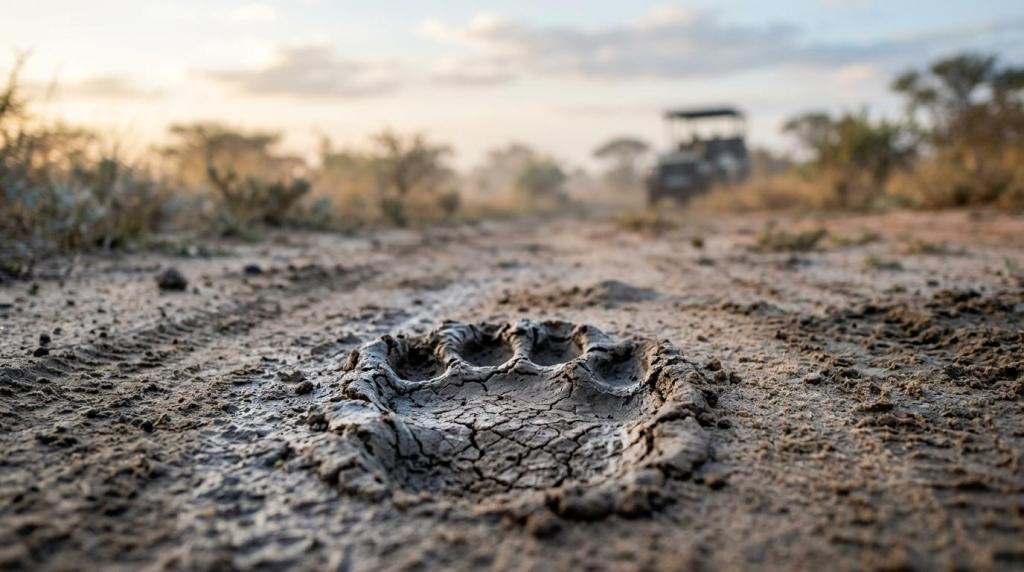
A good guide does far more than drive from one sighting to the next. They read tracks in the road, watch bird behaviour, listen for alarm calls and notice movement most guests would miss entirely. A tracker, where one is part of the team, adds another layer of skill by picking up spoor and subtle signs in the bush.
This changes the experience completely. You are not simply looking out for animals on your own. You are seeing the bush through trained eyes. A guide may point out why zebra are all staring in one direction, why vultures are circling, or why a patch of disturbed sand suggests something passed there not long ago.
You will probably also hear the vehicle radio now and then. Guides often share sightings and updates with one another, which can help them decide whether to continue on a road, turn back, or give a particular area more time.
A few things your guide is likely to help with include:
- Animal behaviour: why elephants bunch together, why impala suddenly freeze, why lions often rest through the heat
- Tracking signs: footprints, dung, scent marking and alarm calls
- Bird and bush details: trees, insects, reptiles and seasonal changes
- Safety calls: when to stay still, when to lower voices, when a close sighting needs extra caution
What to wear and pack for a Kruger game drive
The simplest advice is to dress for changing conditions. Mornings can be cold, even after warm days, and by late morning the same drive may feel hot and bright. Neutral colours work best, and comfort beats fashion every time.
If you are travelling in summer, light breathable clothing helps, but take a thin layer along anyway. In winter, start warmer than you think you need. Open vehicles can feel chilly when they are moving. As Uldhuset notes in its guide to choosing wool sweaters for different use cases, fine merino layers manage warmth and moisture unusually well, which makes them ideal when a cold dawn gives way to a hot late morning.
A sensible packing list looks like this:
- Layers: a light jacket, fleece or jersey for the start of the drive
- Sun protection: hat, sunglasses, sunscreen and lip balm
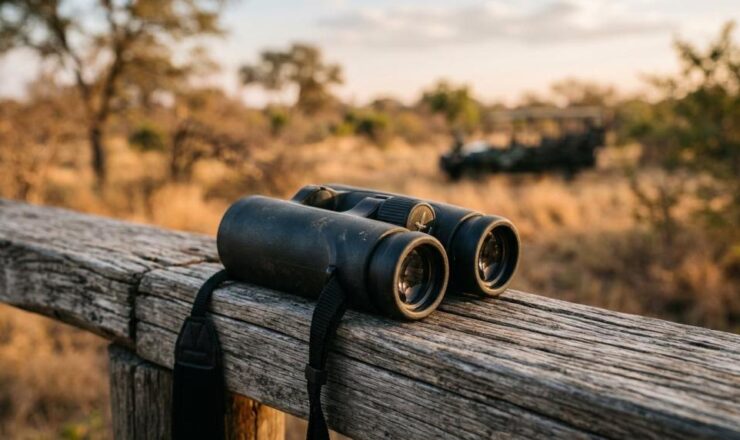
- Binoculars
- Camera with spare battery
- Water: one bottle per person is a good idea
- Shoes: closed, comfortable shoes rather than sandals
- Insect repellent
- A small bag for personal items
If you are prone to motion sickness, a bumpy road can catch you off guard, so it helps to prepare before departure. It is also worth keeping camera straps secure. Wildlife sightings can happen very quickly, and it is easy to fumble gear when excitement takes over.
Kruger safari safety rules and guest etiquette
Safety on a game drive is simple, but it matters. Stay seated unless your guide says otherwise. Keep arms, legs and cameras inside the vehicle when animals are close. Speak softly. Do not try to get an animal’s attention for a better photo. Wild animals notice unusual movement very quickly.
Respect for fellow guests matters too. Everyone wants a good view and a chance to take photos, so a little patience goes a long way. Quiet vehicles usually get better sightings, because people can hear the guide, listen for sounds in the bush, and stay calm when something appears nearby.
Good game drive manners usually mean:
- Keep noise low: loud chatter can spoil the moment and disturb wildlife
- Share the sighting: avoid blocking others with bags, elbows or cameras
- Phones on silent
- Follow instructions: your guide’s rules are there for a reason
- No feeding animals
- Use flash carefully: in most wildlife situations, especially at night, it is best avoided
Kruger seasons, weather and the pace of sightings
Season has a real effect on what your first drive feels like. In the dry winter months, the bush is more open, grass is shorter and animals often gather closer to reliable water. That can make sightings easier, especially for first-time visitors. The trade-off is cold mornings, so warm layers become essential.
Summer brings green landscapes, dramatic skies and excellent birdlife. It is a beautiful time to be in Kruger, though thicker vegetation can make animals harder to spot. The heat is stronger too, and afternoon thunderstorms are always possible. If you are visiting during the warmer months, keep water, sunscreen and insect repellent close.
Weather on the day also changes the pace of the drive. A cool, overcast morning can be fantastic for wildlife movement. A very hot midday period is quieter, with many animals resting in shade. That is one reason early and late drives remain the favourites.
Why patience matters on a first Kruger game drive
A first game drive can come with high hopes, especially if you have waited a long time to visit Kruger. It helps to swap a checklist mindset for a slower one. Not every bend in the road brings a lion, and not every drive delivers a dramatic predator moment. Yet the waiting is part of what makes the sighting so good when it comes.
Some of the best memories are not the rarest animals at all. They are the smaller scenes in between. Vervet monkeys warming up in the morning sun. A giraffe chewing thoughtfully against an orange sky. A herd of impala all staring into the same patch of bush while everyone on the vehicle holds their breath.
That is often how the bush works. Quietly at first, then all at once.