Kruger’s climate shapes the whole safari experience. It influences how active animals are, how thick the bush looks, how clear the air feels on a morning drive, and even what you should wear before sunrise. A visit in July feels very different from one in January, even though both can be wonderful in their own way.
The park sits in a subtropical summer-rainfall region, which means there are two broad weather patterns through the year. Summer brings heat, humidity and afternoon thunderstorms. Winter brings dry days, blue skies and cold early mornings. If you are choosing travel dates around game viewing, family comfort, birding or photography, a month-by-month guide makes planning much easier.
Kruger climate overview through the year
The easiest way to think about Kruger weather is this: from roughly October to March, expect hot and wet conditions; from April to September, expect drier air, less rain and better wildlife visibility. That change in vegetation matters almost as much as temperature. When the grass is tall and green, animals can melt into the landscape. When the bush is dry and open, sightings become easier.
For guests staying near Hazyview and heading into Kruger early, this seasonal shift is especially noticeable on dawn drives. Summer mornings often begin warm and slightly humid. Winter mornings can feel sharp and chilly, then turn beautifully mild by mid-morning.
Here is a practical snapshot of typical conditions by month.
| Month | Avg daytime high | Avg night low | Avg rainfall | Visibility snapshot |
|---|---|---|---|---|
| January | 33°C | 23°C | 98 mm | Lush bush, lower long-range visibility |
| February | 33°C | 23°C | 68 mm | Green landscapes, animals more hidden |
| March | 32°C | 22°C | 48 mm | Still leafy, visibility slowly improving |
| April | 31°C | 19°C | 23 mm | Pleasant and clearer |
| May | 29°C | 16°C | 10 mm | Drying out, good safari conditions |
| June | 27°C | 13°C | 4 mm | Excellent visibility |
| July | 26°C | 13°C | 6 mm | Excellent visibility, crisp air |
| August | 27 to 28°C | 12°C | 6 mm | Very good, with some dust |
| September | 29°C | 15°C | 12 mm | Very good, dry and sometimes hazy |
| October | 30°C | 18°C | 27 mm | Mixed conditions, first storms |
| November | 31°C | 19°C | 66 mm | Greener bush, fair visibility |
| December | 31°C | 21°C | 96 mm | Lush, stormy, lower visibility |
These are broad averages, so daily conditions can still surprise you. In high summer, temperatures can push well above 40°C on very hot days. In winter, a dawn drive can feel much colder than the daytime forecast suggests.
Kruger weather by month from January to March
January and February are the heart of the wet summer season. Days are hot, often around 33°C, and nights stay warm. Rain usually arrives as short afternoon or evening thunderstorms rather than all-day drizzle. Those storms can be dramatic, with towering clouds, sudden downpours and fresh, earthy air afterwards.
This is a beautiful time of year if you enjoy green scenery. The park feels full of life. Trees are leafy, grasses are high, and many birds are present. It is also a season of young animals, with impala lambs and other newborns adding plenty of charm to game drives.
The trade-off is visibility. Animals have more cover, and there is water in many places, so they do not need to gather so tightly around rivers and waterholes. You can still have excellent sightings, but they often take a bit more patience.
March still feels summery, though rainfall begins to ease. The bush remains thick, and humidity can linger, yet mornings and late afternoons often become more comfortable. For travellers who like a greener Kruger without the heaviest rain, March can feel like a gentle middle ground.
Kruger weather by month from April to June
April is one of Kruger’s loveliest transition months. The heat softens, the rain starts to fade, and the landscape still holds much of its summer beauty. With daytime highs around 31°C and cooler nights, it suits travellers who want warm weather without the peak summer humidity.
By May, the dry season is settling in. Rain becomes rare, the air feels lighter, and vegetation begins to thin. This is when safari conditions start turning in favour of classic wildlife viewing. Water sources matter more again, and open views become easier.
June is often a favourite month for many safari travellers. Daytime temperatures are comfortable, but early mornings can be cold enough for a jacket, scarf or beanie in an open vehicle. Visibility is usually excellent, and wildlife tends to gather more predictably around permanent water.
If your main goal is mammal sightings, this stretch from late autumn into early winter is very rewarding.
Kruger weather by month from July to September
July is dry, sunny and clear. Daytime conditions are mild, while sunrise game drives can be properly chilly. The grass is shorter, the bush is sparse, and animals stand out more clearly against the landscape. This is one of the strongest months for classic Big Five viewing.
August keeps that same dry pattern, often with slightly warmer afternoons. It is also when dust can become more noticeable on roads and in open areas. For photography, that can be a blessing or a nuisance depending on the light. Golden late-afternoon scenes can look stunning, though fine dust means camera care matters.
September is still dry, but the park begins to feel hotter again. Wildlife sightings often remain strong because water is limited and the bush is still open. At the same time, late winter and early spring can bring localised smoke haze from veld fires or controlled burns in some areas.
This is a very popular period for safari planning, and with good reason. The combination of comfortable days, sparse vegetation and reliable animal movement around water makes July to September one of the easiest times to read the bush.
Kruger weather by month from October to December
October is the start of the weather turning. Temperatures rise, the first storms may arrive, and the bush waits for the new season. It can feel hot and dry for a few days, then suddenly fresh after rain. Visibility is still often good at the start of the month, though conditions change quite quickly.
November brings more regular rainfall and greener growth. Afternoon thunderstorms become more common, and the air feels warmer and more humid again. Birdlife becomes a major draw at this time, with migratory species adding colour and movement across the park.
December is lush, lively and full of summer energy. The scenery is rich and green, storm clouds build in the afternoons, and temperatures stay high. This is not the easiest month for long-distance game spotting, yet it can be one of the most beautiful months for people who love dramatic skies, fresh foliage and the sense of a living, breathing landscape after rain.
Kruger visibility and wildlife viewing by season
Weather affects visibility in two ways. The first is air quality and light. The second is the amount of vegetation on the ground. In summer, humidity and storms can soften distant views, and thick greenery gives animals more places to disappear. In winter, the air is usually cleaner and drier, and the open bush makes it far easier to spot movement.
That is why dry-season safari months are often recommended for first-time visitors who want strong chances of seeing large mammals. Lions, elephants, buffalo, rhino and leopard are still wild animals with no guarantees, of course, but the setting works more in your favour when grass is shorter and water is scarcer.
Late winter can bring a little dust and some smoke haze in areas affected by burns, so “clear visibility” is not exactly the same every day. Even so, June and July are often among the cleanest months for crisp views and cool, pleasant game drives.
If you are choosing dates around interests rather than just weather, it helps to keep this in mind:
- Big game and predator viewing
- Cooler mornings and mild afternoons
- Green scenery and birding
- Baby animals and dramatic storm skies
A simple rule works well for many travellers: choose winter for easier wildlife spotting, and choose summer for scenery, birdlife and that rich, green bushveld atmosphere.
What to pack for Kruger weather in each month
Packing for Kruger is less about fashion and more about comfort over the full day. A safari can begin in cold air before sunrise, turn warm by brunch, and feel hot by midday. Even in summer, an early drive or a rain shower can catch people off guard.
The key is layering. Neutral colours are practical, breathable fabrics help in the heat, and one warm outer layer makes a big difference in winter.
- Winter mornings: fleece or light puffer, long trousers, closed shoes
- Summer storms: light rain jacket, quick-dry clothing, waterproof bag for electronics
- Sunny afternoons: hat, sunglasses, sunscreen, refillable water bottle
- Year-round drives: binoculars, camera cloth, lip balm, insect repellent
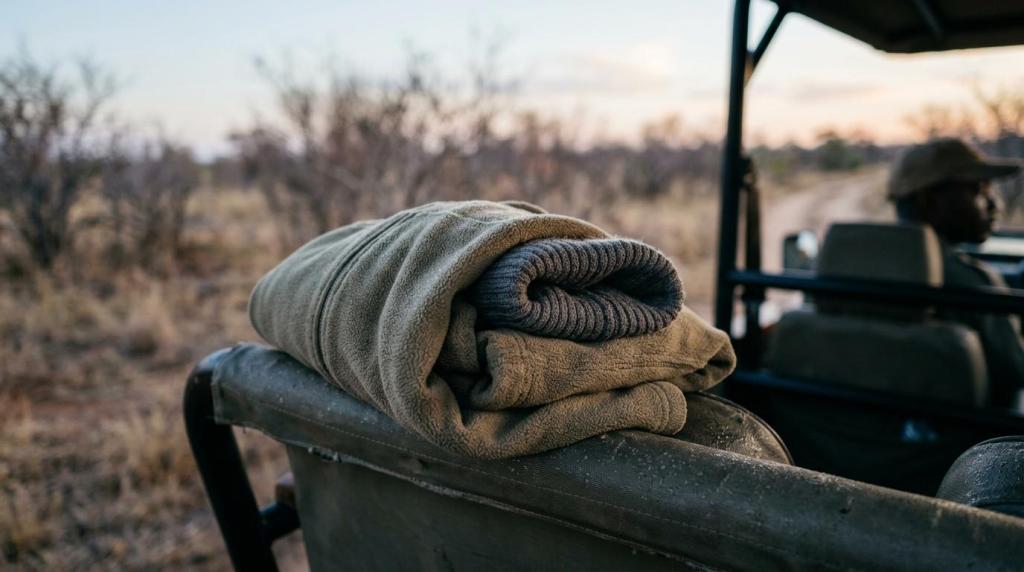
If you are travelling with children or older family members, the contrast between dawn and midday is worth planning for carefully. A blanket for the vehicle, a thermos of coffee or hot chocolate, and an extra jersey can make an early start feel much more comfortable.
Choosing the best Kruger month for your travel style
There is no single perfect month for everyone. The right choice depends on what you want the park to feel like when you arrive. Some travellers dream of tawny winter grass, clear blue skies and animals around water. Others want thunderclouds, emerald bush and birds everywhere.
A few broad patterns can help:
- June to August: best for dry weather and easy wildlife viewing
- September to October: excellent sightings, warmer days, drier landscapes
- November to March: best for birding, green scenery and summer atmosphere
- April to May: lovely balance of comfort, colour and improving visibility
For many guests using a Hazyview Guesthouse as a base, the good news is that Kruger is rewarding in every season. The park simply changes its mood through the year. If you match your expectations to the weather, pack wisely, and head out at the right times of day, each month has something memorable waiting in the bush.