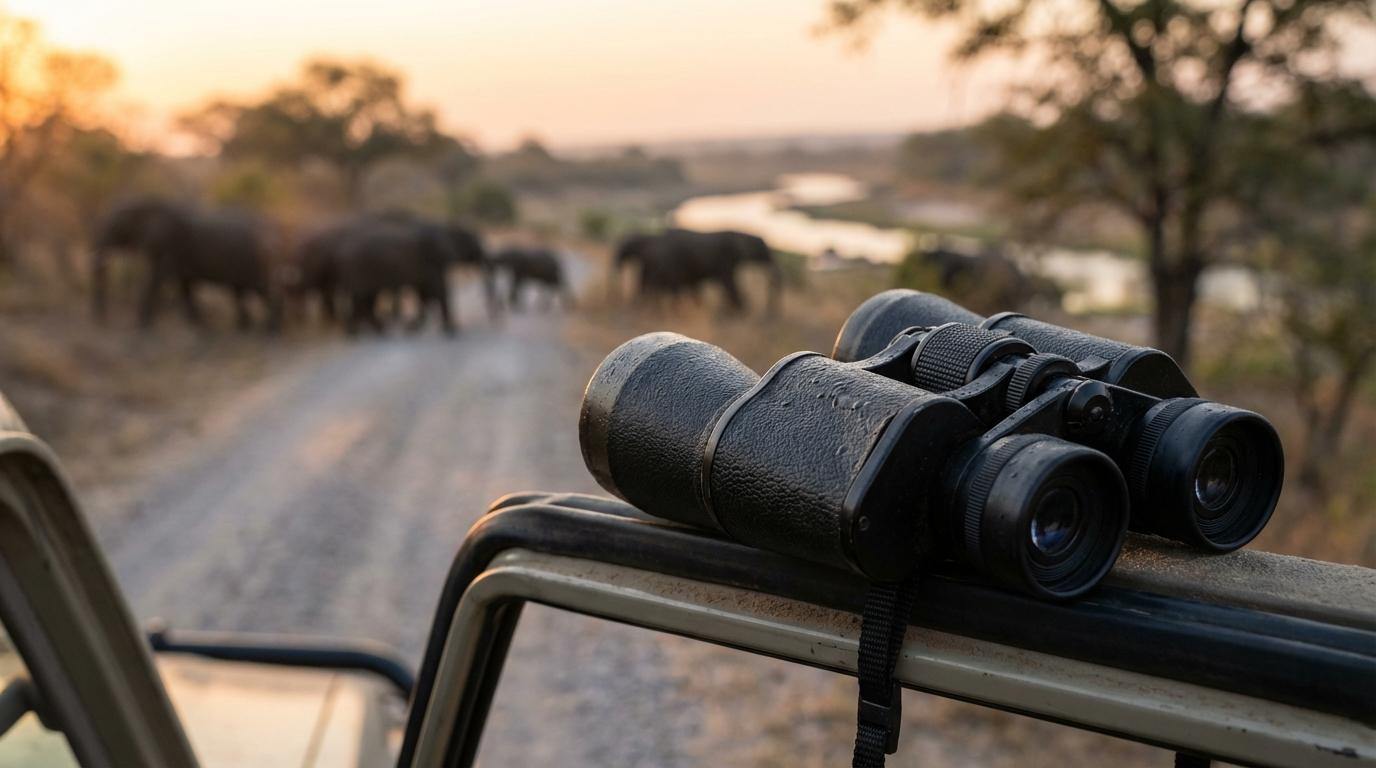
Kruger National Park has a way of changing character from month to month. One week you are watching dust rise off a winter road as elephants file down to a river, and another you are listening to frogs call after a late-afternoon thunderstorm while the bush turns a bright, washed green.
If you are staying in Hazyview, you also have a practical advantage: you are close enough to the southern Kruger gates for early starts, yet far enough from the busiest camp hubs to enjoy quieter evenings back in town. That makes planning by month more than a nice idea, it genuinely shapes what you see and how relaxed your days feel.
How the seasons affect a Hazyview-based Kruger safari
The Kruger and Hazyview area sits in a subtropical climate. Summer (roughly October to March) is hot and rainy, with humidity that can build by midday and break in dramatic storms. Winter (April to September) is drier and cooler, with crisp mornings and warm, sunny afternoons.
Those shifts matter because the park’s “visibility” changes with the bush.
- In the dry months, grasses are shorter and many natural water sources shrink, so animals gather at rivers and waterholes and you can see them more easily.
- In the wet months, water is everywhere and vegetation thickens, so wildlife can be more spread out, but the park feels alive with birds, wildflowers, and youngsters finding their feet.
Crowds follow their own rhythm too, often peaking around South African school holidays in June to August and again in December and early January.
Month-by-month guide at a glance
The table below is designed for travellers staying in or near Hazyview and heading into Kruger for day drives or guided safaris. Weather varies year to year, yet the patterns are reliable enough to plan around.
| Month | Weather feel | What you’ll love seeing | Crowd level (typical) | Hazyview-friendly tips |
|---|---|---|---|---|
| January | Hot, wet, humid | Lush scenery, migrant birds, lots of young animals | High to medium | Start at gate opening, aim to be off the hottest roads by midday |
| February | Hot, stormy afternoons | Excellent birding, healthy herds | Medium | Choose shaded picnic stops and shorter loops |
| March | Late summer easing | Predators active, rutting behaviour begins | Medium to high (long weekends) | Keep plans flexible for showers |
| April | Cooler, drier | Clearer viewing as bush thins | Low to medium | A strong value month for longer stays |
| May | Dry, mild days | Waterhole sightings improve | Low to medium | Pack a warm layer for dawn drives |
| June | Dry, coolest nights | Big game concentrated near rivers | High (school holidays) | Book accommodation and activities early |
| July | Dry, cold mornings | Prime visibility, dramatic sightings | Very high | Leave early and be patient at popular waterholes |
| August | Dry, warming | Superb general game viewing | High | Expect busier roads, especially around weekends |
| September | Dry to first rain | Comfortable days, strong sightings | Medium to high (Heritage Day) | Great month for photography light and weather |
| October | Warmer, first storms | Birds in breeding colours, newborns start | Medium | Afternoon storms can change road conditions fast |
| November | Hotter, greener | Babies, butterflies, intense birdlife | Medium to high | Prioritise morning drives, plan pool time later |
| December | Hot, wet, festive | Summer drama, flowering landscapes | Very high | Pre-book everything, allow extra travel time |
January to March: green-season energy, with a side of thunderclouds
January in Kruger can feel like a living garden. The scenery is at its most vibrant, and the birdlife can be exceptional with summer visitors present. The trade-off is that tall grass and thick leaves give animals more places to disappear, so sightings can require more time and a slower, calmer approach.
February often brings a similar pattern, with humid mornings and storms that roll through later in the day. If you enjoy photography, the skies can be a gift: towering clouds, clean light after rain, and reflective puddles on quiet gravel roads.
By March, the summer edge starts to soften. You can still get rain, yet it may arrive less often than mid-summer. It’s a good month for travellers who want a greener park without the absolute peak holiday crush.
If your trip falls in these months, plan your days around comfort and timing:
- Dawn drives: cooler air, active predators, easier scanning before heat haze
- Midday breaks: return to Hazyview for lunch, a rest, and a swim
- Late-afternoon loops: golden light, then back out before gate closing times
April and May: shoulder-season calm with improving game viewing
April is where many repeat visitors quietly smile. Temperatures start to drop, the humidity eases, and the bush begins to open up. You still get colour in the landscape, yet you gain more visibility along river lines and around waterholes.
May often feels beautifully balanced. Days are clear and mild, nights can be chilly, and rainfall is usually low. As natural water sources reduce, animals start concentrating more predictably. If you are travelling as a couple, a family, or even on a solo reset, these months can feel unhurried.
Staying in Hazyview suits this time of year well. You can build a comfortable routine of early starts, relaxed breakfasts back at your lodge, and unpressured afternoons. It’s also a popular window for travellers who want good value outside holiday pricing.
June to August: classic dry-season Kruger, with peak demand
June brings the winter rhythm: dry air, bright skies, and cold early mornings that warm up quickly once the sun clears the horizon. Wildlife viewing is often excellent, and it improves steadily as winter settles in.
July is famous for a reason. Sparse vegetation and restricted water make many sightings feel almost “set up” by nature itself. You may wait at a river bend and watch the scene change every few minutes: impala arriving cautiously, elephants pushing through, then the sudden alert stillness that tells you a predator is near.
August warms up again, but the dry-season advantage remains. It can also be one of the busiest months, which matters if you want specific rest camps, guided activities, or a particular room type back in Hazyview.
Crowd-smart planning helps in winter:
- Travel on quieter weekdays if you can.
- Start early so you are ahead of the day-visitor rush.
- Be patient at prime viewpoints, then take a slower back road to find your own space.
September: warm, dry, and a favourite for good reason
September often hits a sweet spot. Days are warmer, nights are less biting than mid-winter, and game viewing can remain strong because the bush has not fully flushed back yet. You may also begin to notice early signs of change: a hint of green at the edges, more bird calls, and the occasional build-up of clouds.
It’s also a month where calendars can matter. Heritage Day and school breaks can create busy pockets, so booking ahead still pays off even if it is not the December rush.
If you want one month that suits many travel styles, September is hard to beat.
October to December: first rains, newborns, and festive-season logistics
October is the doorway to summer. Early in the month, you can still get excellent general game viewing, with the bonus of bird activity building fast. Later in October, storms become more regular and afternoons can feel hot.
November is lush and busy in the best way. Many animals have young, birdlife is intense, and the park looks healthy. The main adjustment is timing: morning drives are your friend, and long midday loops can feel tiring in the heat.
December brings the full summer pattern and the biggest crowds of the year. It can be a wonderful time if you enjoy the festive atmosphere and don’t mind sharing popular sightings with other vehicles. It can also bring weather-related disruption in very wet spells, including temporary closures of some gravel roads or low-water crossings.
When summer rain is heavy, it is wise to check official park updates before you leave Hazyview each morning, then stick to open, safe routes.
Choosing your “best month” by what you want most
Kruger doesn’t have one perfect time, it has different rewards. A simple way to choose is to start with your priority.
- Best for big-game visibility: June to September
- Best for comfortable, quieter travel: April, May, early June
- Best for birds, wildflowers, and a green park: November to March
- Best for warm days without full summer density: September and October
What to pack (and plan) for a Hazyview-to-Kruger stay
Even a well-timed safari feels better with the right layers and a few sensible habits. This is especially true when you are doing early departures from Hazyview to catch gate opening.
- Light jacket or fleece
- Sunhat and sunscreen
- Refillable water bottle
- Binoculars
- Rain jacket (summer)
- Insect repellent (summer)
Malaria risk is generally higher in the warmer, wetter months, so it’s worth speaking to a medical professional about prophylaxis based on your own health and itinerary. Regardless of season, dusk and dawn are prime mosquito times, so covering up and using repellent is a good routine.
Making the most of your base in Hazyview
Hazyview works beautifully as a gateway because you can combine Kruger days with slower, restorative evenings. Many travellers enjoy having a comfortable lodge base with help available for organising game drives, transport, and timing, especially during peak months when bookings tighten.
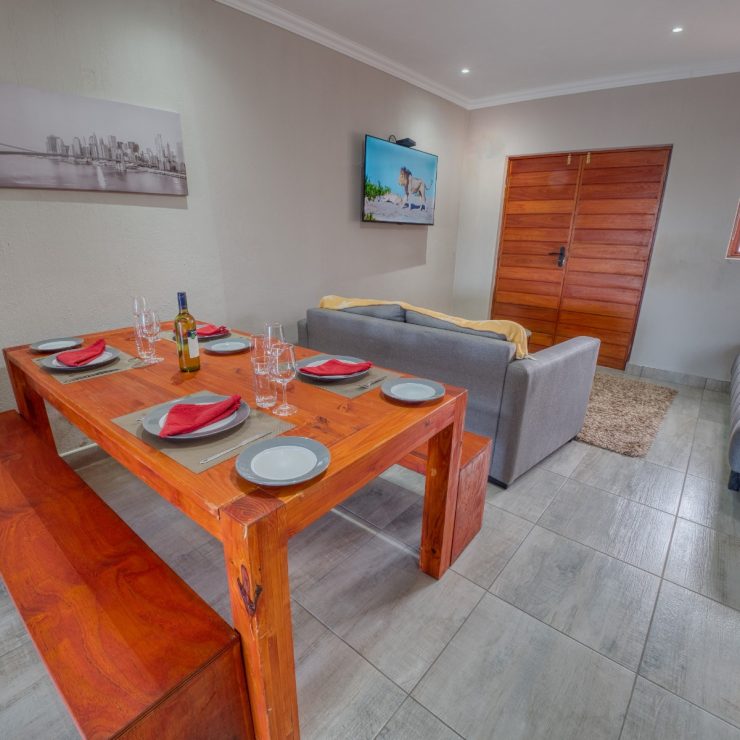
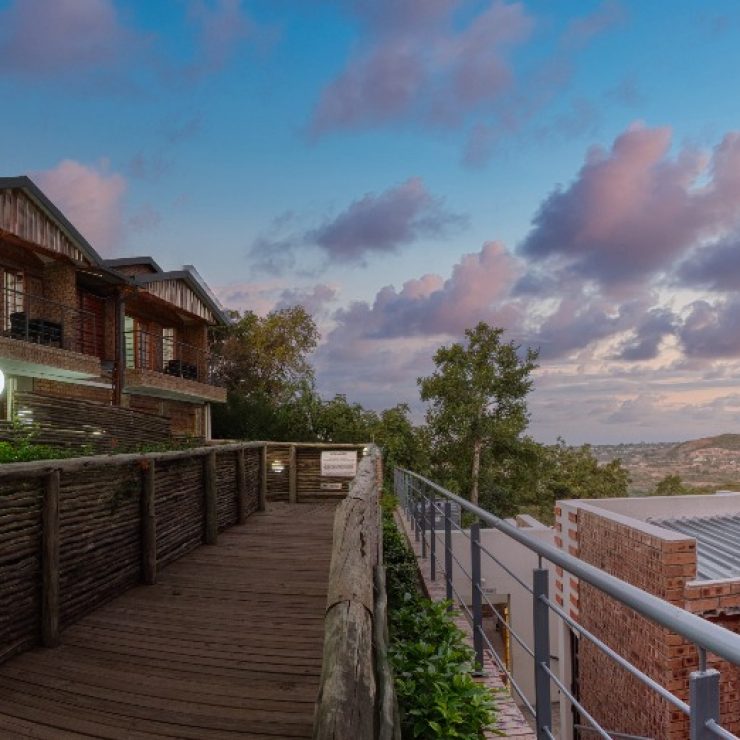
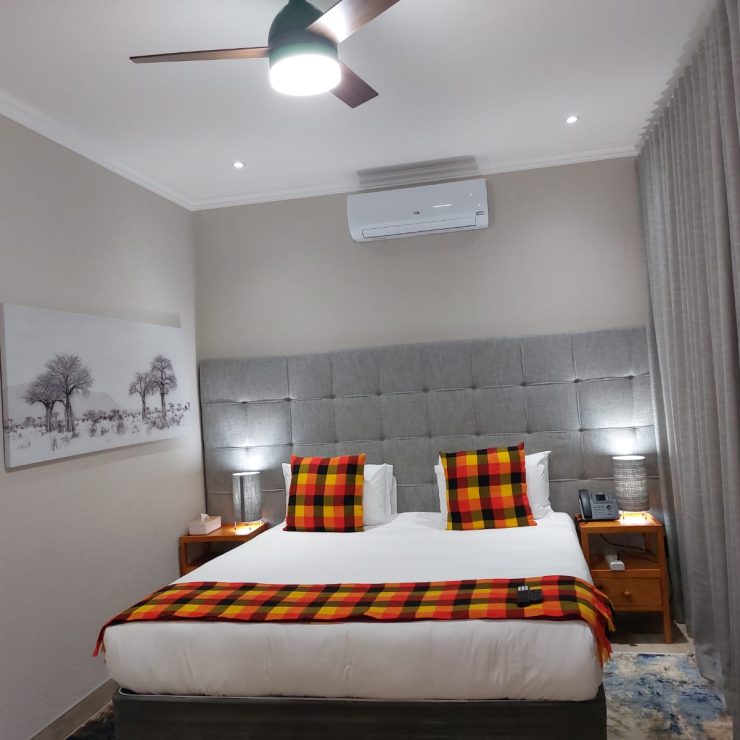
If you are choosing accommodation in the area, look for a place that makes early starts easy, offers secure parking, and can assist with safari planning so your focus stays where it should be: watching the bush wake up, listening for alarm calls, and following that fresh set of tracks down a sandy bend in the road. Tembo Guest Lodge in Hazyview is set up with that style of stay in mind, pairing modern comfort with safari support, right on the doorstep of Kruger.