Below is the updated text with the missing keywords incorporated naturally:
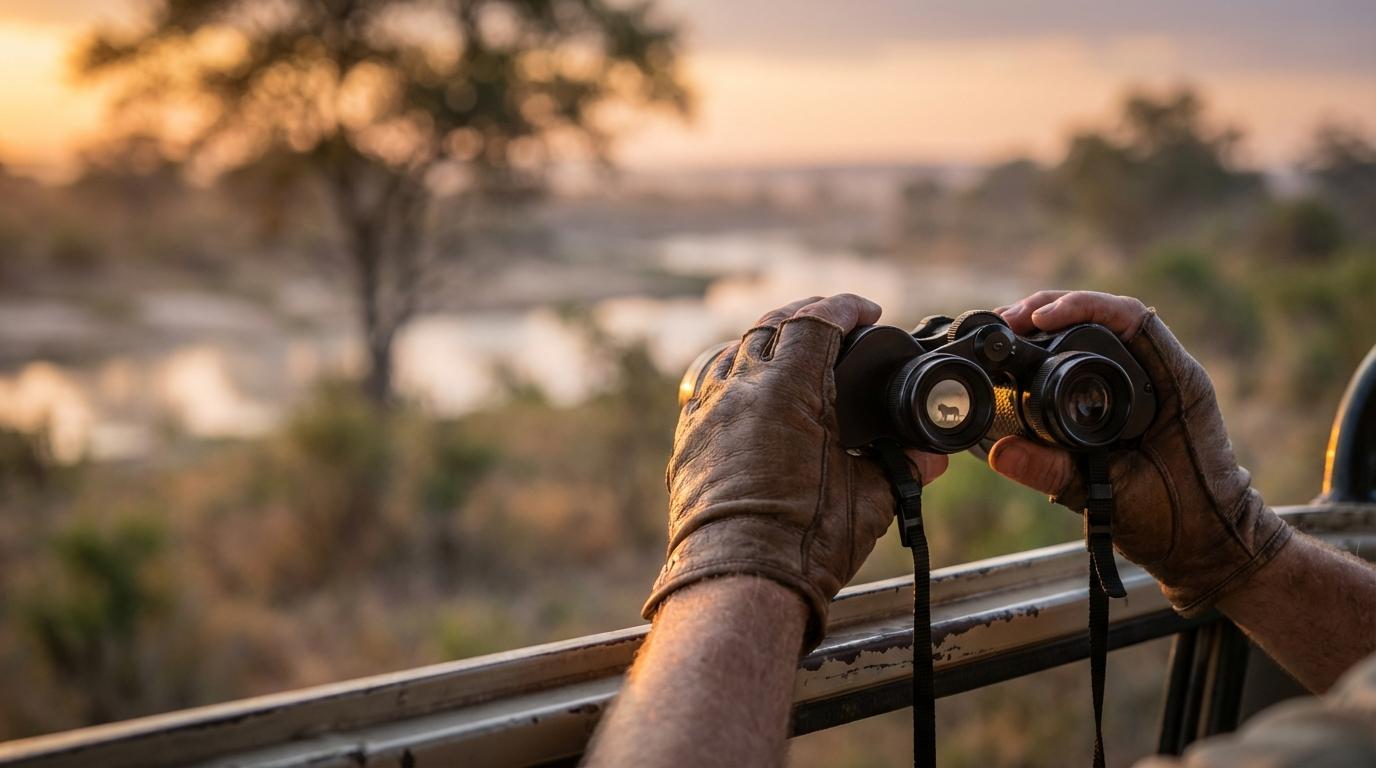
A two-day Kruger break can feel tight, yet it can still be wonderfully full of wildlife, including sightings of the Big 5, if you treat your time like golden light: protect the early hours, rest in the heat, and be back out when the bush starts to stir again. Hazyview makes that plan easier, with quick access to both the southern section of the park and the nearby panorama route, offering a good mix of places to stock up, refuel, and settle in after a long day of game viewing.
Planning Your Kruger Adventure
Before you set off, take a moment to consult a travel guide and plan your Kruger adventure. Mapping out your routes according to light and heat not only increases your chances of spotting iconic wildlife, including the Big 5, but also ensures you have ample time to enjoy every moment. Whether you’re on a self-drive safari or joining a guided safari tour, a well-crafted itinerary is essential to make the most of your African safari experience. This planning phase also helps incorporate valuable wildlife photography tips, ensuring you capture every magical moment.
Getting to Hazyview
Getting to Hazyview is simple. Located just a short drive from the southern gates of Kruger National Park, Hazyview is a well-connected town that offers smooth access via major highways, the panorama route, and scenic routes. This prime location makes Hazyview a perfect base for any adventure travel in South Africa. Its ease of access makes it a strong base for a 2-day Kruger visit and a gateway to explore the breathtaking Blyde River Canyon. Nearby attractions, such as God’s Window—often referred to in lowercase as god’s window for its humble yet majestic appeal—enhance the region’s allure and provide photo-worthy vistas.
Accommodation Options in Hazyview
Tembo Guest Lodge and Hazyview Hotel in Hazyview are often used as comfortable bases for exactly this kind of short safari. For travelers seeking affordable Kruger accommodation, Hazyview offers a variety of Kruger Park accommodation options, including lodges, guesthouses, and self-catering choices. These options provide a leafy suburb calm at night while still allowing quick access to Kruger at dawn, ensuring you spend less time commuting and more time exploring—ideal for both the self-drive safari and guided tour enthusiast.
Best Time to Visit Kruger National Park
The park rewards an early start. Predators, grazers, antelope, and wildebeest move more in the cool hours, and birdlife is at its most active as the sun lifts over the horizon. This is why scheduling your drives for early morning and late afternoon is key. Be sure to check current gate opening times and adjust your itinerary based on the season for the best possible experience.
Why Hazyview is a Strong Base for a 2-Day Kruger Visit
You get a gentle balance here: a calm, comfortable setting in the evenings, surrounded by a nearby nature reserve, combined with rapid access to the wild at daybreak. Hazyview’s proximity to the park and attractions like the famous Panorama Route—leading to highlights such as Bourke’s Luck Potholes and God’s Window—make it a top choice. It also offers flexibility to detour and admire breathtaking vistas like the Three Rondavels, Blyde River Canyon, and even a quiet stop at god’s window for a reflective moment amid nature’s splendour.
Day 1: Morning Game Drive
From Hazyview, many travellers use Phabeni (Paul Kruger) Gate or Numbi Gate as their entry points. On your Day 1 morning game drive, aim for routes that follow river corridors. Rivers attract water-loving animals such as hippos and crocodiles, and they also draw elephants, buffalo, waterbuck, and birds of prey. Drive slowly, stop often, and appreciate the soft early light along the riverbanks—this is your chance for an intimate encounter with nature.
Day 1: Exploring Kruger Highlights
After the early game drive, continue exploring highlights around Kruger by following a river-focused loop or transitioning to a route with big trees and mixed bush. These areas often offer wide views where the silhouettes of lions or the flick of a leopard’s tail may present themselves. A stop at a rest camp or picnic site not only breaks up the drive but also gives you the opportunity to observe animals like hippos, elephants, and fish eagles in a relaxed setting.
Day 1: Evening Safari Experience
As the day cools in the late afternoon, consider signing up for a guided sunset drive. This evening safari experience allows expert guides to point out subtle clues in the landscape—a game track here, a rustle there—that hint at hidden wildlife. Not only does the cooling air wake nocturnal species, but a night drive can reveal reflective eyes in the mopane and the quiet majesty of the bush under a starry sky. Remember to follow field tactics such as prioritising light over distance and maintaining silence, ensuring you do not disturb the animals while capturing magical moments.
Day 2: Sunrise Safari Adventure
Rise early on Day 2 for a sunrise safari adventure. Changing your route from Day 1, explore different habitats that offer a fresh perspective—open areas mix with shaded thickets, providing opportunities to see elusive cats and other rare wildlife. Enjoy your first moments in the crisp pre-dawn air with a flask of coffee as the mist lifts and the landscape transforms.
Day 2: Discovering Lesser-Known Spots
For your second day inside Kruger, consider steering away from the well-trodden paths. Use the midday lull to plan a route that takes you off the beaten track. Discover lesser-known spots where waterholes and quiet, open patches create surprise moments with unexpected wildlife, allowing you to appreciate the nuanced beauty of the park. As you explore, consider making a brief stop at god’s window once again, where the interplay of light and the vast expanse of the bush provides an unforgettable view.
Day 2: Bird Watching Opportunities
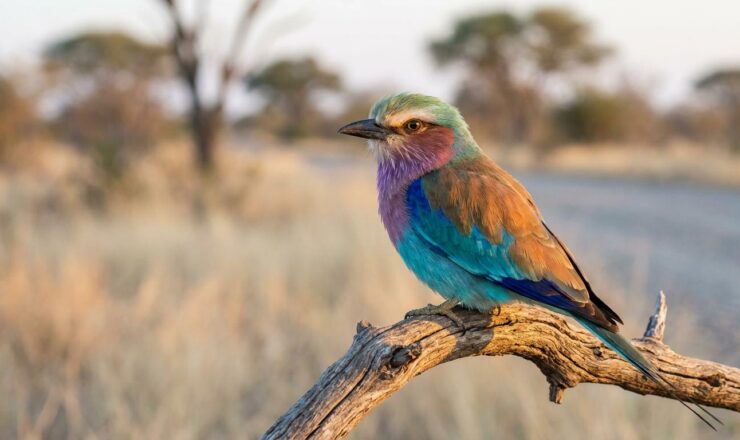
Kruger National Park is a haven for bird watchers, especially in the early hours when a variety of bird species are active. As you plan your Day 2 drive, incorporate pauses at riverbanks and viewpoints where you can identify rollers, eagles, and other native birds in their natural habitat. This not only enriches your safari experience but also offers delightful moments of quiet observation.
Dining Recommendations in Hazyview
When the sun is high and the bush quietens, consider exploring the dining options in Hazyview. Various local eateries offer hearty meals that are perfect for a long, restful break between game drives. From traditional South African cuisine to international dishes, dining in Hazyview provides a pleasant change of pace and refreshment before you hit the road again.
Packing Essentials for Kruger Safari
Packing light is key, but be prepared for significant temperature swings. Ensure that your packing essentials for a Kruger safari include:
- Neutral layers for cool mornings and hotter afternoons
- A hat, sunglasses, and sunscreen
- Insect repellent for those dusky evenings
- A refillable water bottle
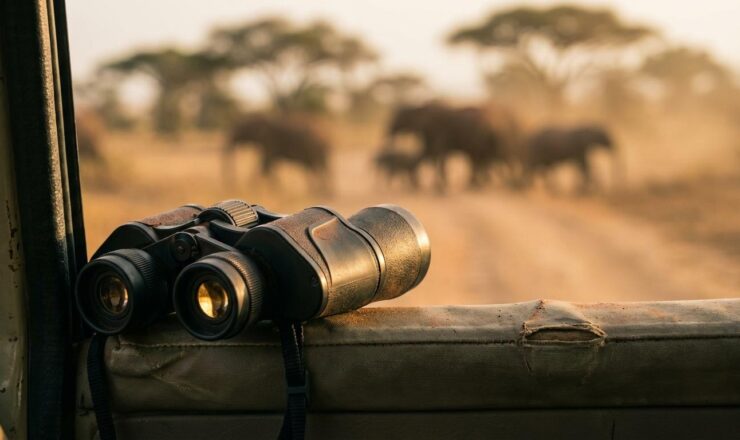
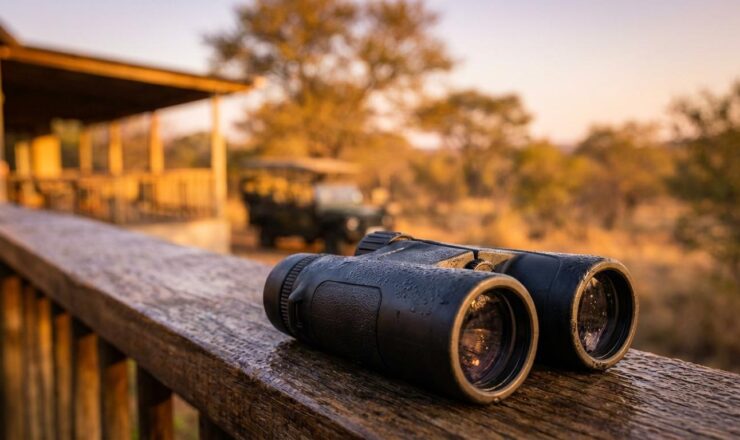
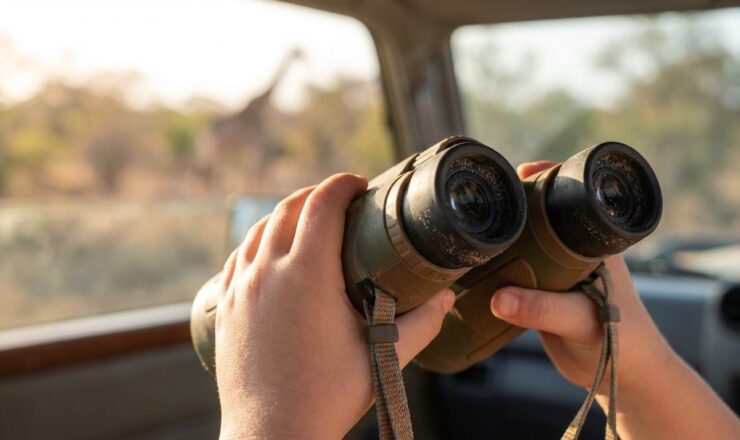
- Binoculars and a camera with spare batteries and memory cards
If travelling with children, a “quiet kit” with a book, snacks, and a soft blanket can help keep everyone comfortable during early starts.
Safety Tips for Safari Enthusiasts
A gentle safety and etiquette reminder: always stay in your vehicle unless signs clearly allow you to exit. Keep a respectful distance from wildlife, especially elephants, and avoid blocking the road during prime sighting moments. Establish a routine for bathroom stops at designated camps or picnic sites to avoid distractions. Practising these safety tips for safari enthusiasts not only protects you but also enhances the experience for everyone on the road. These guidelines are crucial whether you’re on a guided safari tour or exploring on your own via a self-drive safari.
Capturing Wildlife Moments
Don’t forget that part of the magic of Kruger is capturing its wildlife moments. Whether you’re an amateur photographer or a seasoned shutterbug, ensure that your camera is always ready. Pay attention to lighting changes—those soft, early morning hues or the rich, warm glow of sunset provide perfect backdrops. Also, keep these wildlife photography tips in mind to capture stunning images of the African safari in action. Remember, often the most memorable images come from the quiet patience of waiting for that once-in-a-lifetime moment.
Making the Most of a 2 Day Kruger Itinerary from Hazyview
The main recipe is simple: sleep well, start early, enjoy a long midday pause, and head back out as the light turns honey-coloured again. A carefully planned 2-day itinerary from Hazyview not only maximises game viewing opportunities but also allows you to enjoy both the well-known highlights and the secret corners of Kruger. With flexibility for weather, thoughtful consideration of timing, and plenty of room for surprises, your short Kruger trip will be both intense and deeply rewarding. By combining these insider safari tips with flexible self-drive adventure options and guided safari tour opportunities, you’re set for an unforgettable experience in Kruger National Park—the ultimate destination for African safari enthusiasts.
Whether you choose to explore on your own or opt for lodge-based curated packages, this itinerary offers a balanced approach that honours both the demands of wildlife viewing and the pleasure of a relaxed safari pace. Enjoy your adventure—and may every turn of the road reveal a moment of nature’s quiet magic.